

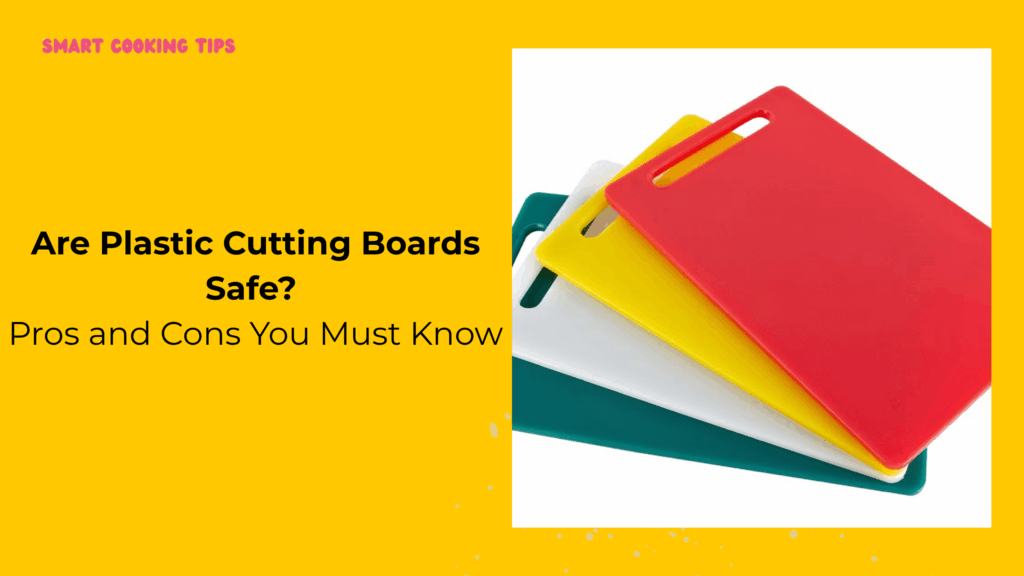
Cutting boards are foundational tools in every kitchen, from high-end restaurants to home kitchens. They serve to protect countertops, streamline food preparation, and uphold hygiene standards. Among all types, plastic cutting boards have long been a popular choice due to their affordability, lightweight nature, and widespread availability.
However, with increasing awareness about food safety, microplastic contamination, and durability concerns, a critical question is gaining traction: Are plastic cutting boards safe? In this in-depth guide, we’ll explore the pros and cons of plastic cutting boards, how they compare to high-performance alternatives like titanium, and how to ensure safe use in your kitchen—whether you stick with plastic or make the switch.
Table of Contents
What Are Plastic Cutting Boards?
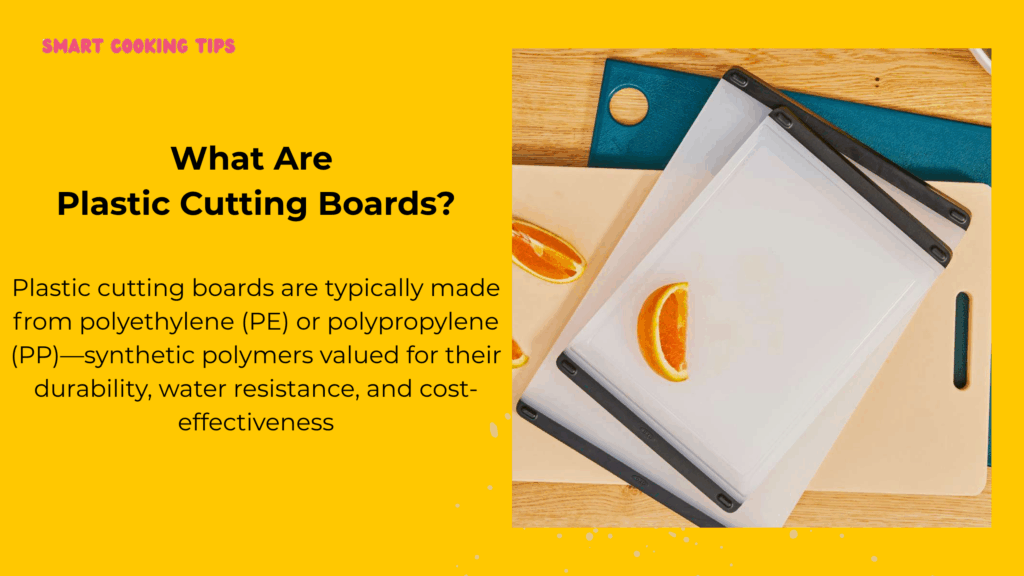
Plastic cutting boards are typically made from polyethylene (PE) or polypropylene (PP)—synthetic polymers valued for their durability, water resistance, and cost-effectiveness. These boards come in multiple designs:
- Flexible sheets, often color-coded for food safety
- Rigid boards with textured or smooth surfaces
- Boards with juice grooves and non-slip edges
To answer the question “are plastic cutting boards safe?”, it’s important to examine how these materials hold up over time—especially when exposed to sharp knives and repeated dishwasher cycles.
Pros of Plastic Cutting Boards
Plastic cutting boards have long been a staple in both home and commercial kitchens. Their affordability, convenience, and hygiene benefits make them a popular option—especially for beginner cooks and budget-conscious households.
Affordable and Widely Available
Plastic boards are among the most economical kitchen tools you can buy. Whether you’re furnishing your first apartment or managing a commercial kitchen on a budget, plastic boards are easy to find and affordable in bulk. Their low cost also makes them easier to replace when worn or damaged.
Lightweight and Easy to Handle
Compared to heavier options like hardwood or glass, plastic cutting boards are extremely lightweight. This makes them ideal for anyone who needs to frequently reposition their board, clean it quickly, or store it in tight spaces. Some flexible plastic models can even be bent or rolled for pouring chopped ingredients directly into a pan.
Dishwasher Safe
One reason many people believe plastic cutting boards are safe is their ability to be sanitized in a dishwasher. High water temperatures and strong detergents help eliminate bacteria more effectively than handwashing, reducing the risk of foodborne illness.
But if you’re still wondering, are plastic cutting boards safe for frequent, everyday use, the answer depends heavily on how well you care for them and how often they are replaced.
Color Variety
One of the often-overlooked advantages of plastic cutting boards is the wide variety of colors they come in. This isn’t just an aesthetic benefit—it also serves a practical, food safety purpose. By using different colored boards for different food groups (e.g., red for meat, green for vegetables, blue for seafood), you can greatly reduce the risk of cross-contamination in your kitchen.
For home cooks and professional chefs alike, this makes it easier to maintain hygiene standards without constant scrubbing between prep tasks. The color variety also allows you to match your cutting boards to your kitchen decor or personal style, adding both function and flair to your cooking space.
Cons of Plastic Cutting Boards
Despite their convenience, plastic cutting boards are not without their drawbacks—and many of these relate directly to food safety, hygiene, and long-term kitchen health. As more consumers ask, are plastic cutting boards safe, it becomes important to examine the hidden risks associated with continued use.
Bacteria in Knife Grooves
Over time, every slice leaves a mark. Knife blades gradually carve deep grooves into plastic cutting boards, and those grooves can trap food debris, moisture, and bacteria. Even after going through the dishwasher, those crevices may not be fully sanitized. So, are plastic cutting boards safe after months of use with visible cuts and wear? Not necessarily. They require frequent inspection and timely replacement.
Microplastic Contamination
Plastic doesn’t stay intact forever. Repeated cutting causes microscopic shavings or flakes—microplastics—that may end up in your food. If you’ve ever paused to consider, are plastic cutting boards safe for your long-term health, microplastic contamination alone is a serious reason to reconsider.
Staining and Odors
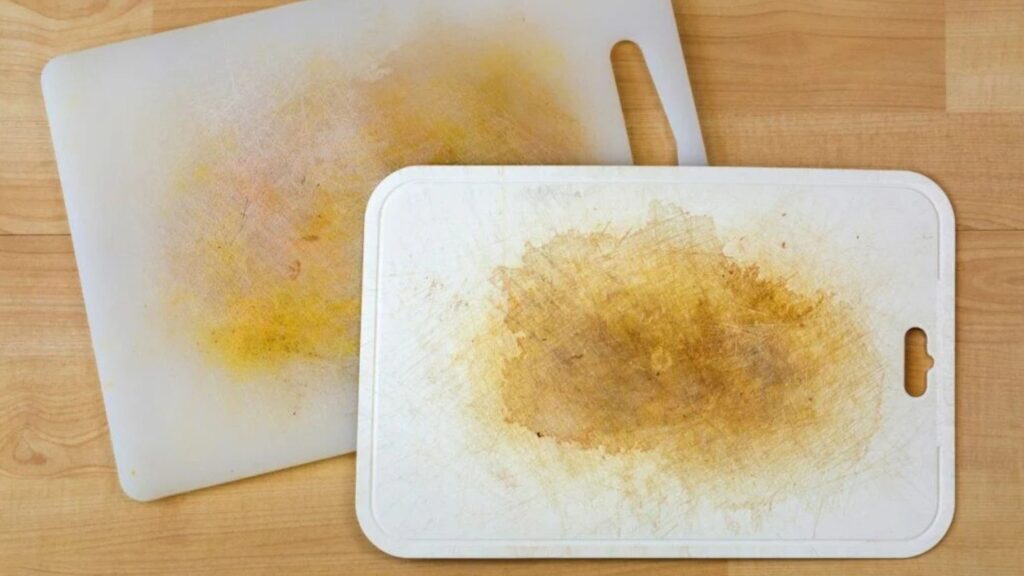
Plastic is nonporous at first, but over time, it may begin to absorb food pigments and odors. Strong ingredients like garlic, onion, turmeric, or beet juice can leave permanent discoloration or lingering smells, raising another hygiene concern. Again, one must ask: are plastic cutting boards safe when they begin to show signs of staining and odor retention?
Higher Risk of Cross-Contamination
Unless you’re using color-coded boards or strict sanitation protocols, plastic boards can contribute to cross-contamination—especially when prepping raw meat, seafood, and fresh produce on the same surface.
How to Properly Care for Plastic Cutting Boards
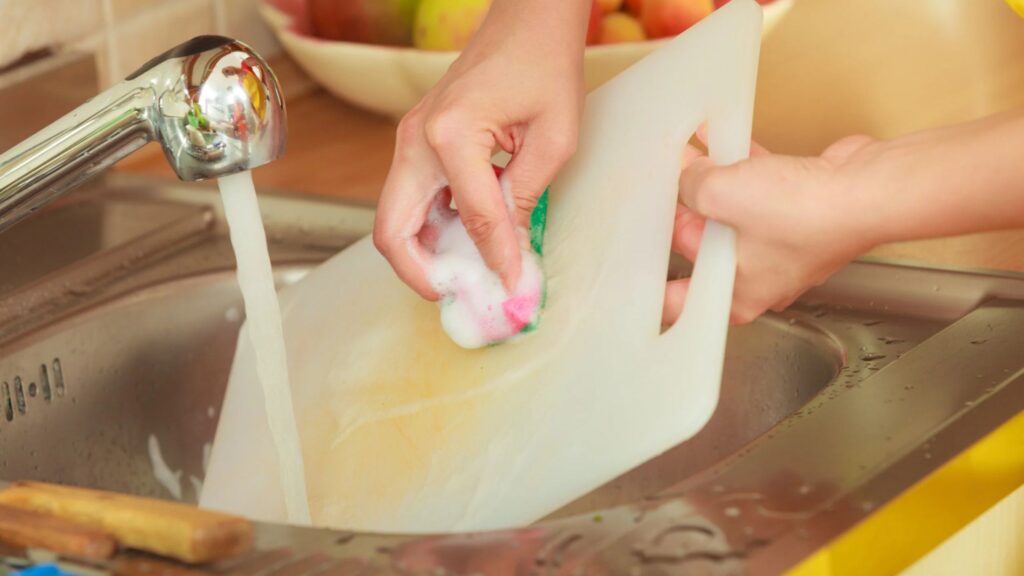
If you’re committed to using plastic boards, proper maintenance is essential to answer yes when asking are plastic cutting boards safe in your kitchen.
Cleaning Guidelines
- Wash immediately after use with hot, soapy water.
- Run through the dishwasher for a deeper clean.
- Use diluted bleach or vinegar solution weekly for sanitation.
- Air dry thoroughly to prevent bacteria buildup.
When to Replace
Check regularly for:
- Deep knife grooves
- Persistent odors or stains
Warping or discoloration
If your board shows these signs, it’s time to toss it. Remember, the more worn the board, the less confidently you can say plastic cutting boards are safe to use.
Plastic vs. Titanium Cutting Boards: Which Is Safer?
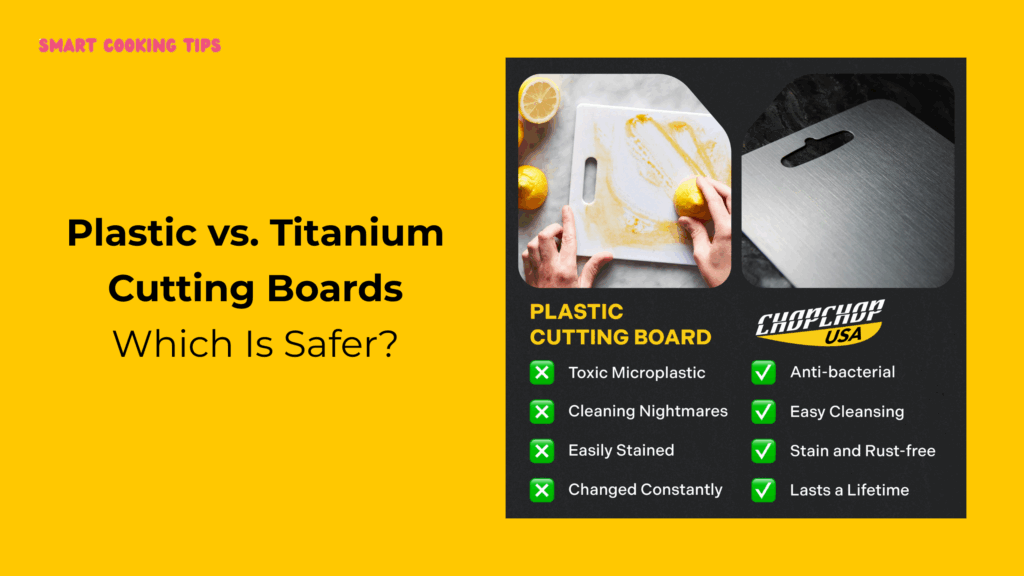
Let’s dig deeper into the safety debate by comparing plastic boards with titanium cutting board—the rising star in kitchen innovation. Many cooks looking to upgrade are asking: Are plastic cutting boards safe compared to titanium ones?
| Feature | Plastic Cutting Boards | Titanium Cutting Boards (ChopChop USA) |
|---|---|---|
| Hygiene | Declines with wear (grooves, bacteria) | Non-porous, naturally antimicrobial |
| Durability | Low—wears down quickly | Extremely high—lasts 10+ years |
| Knife Safety | May dull blades | Gentle on knives |
| Dishwasher Safe | Yes | Yes |
| Microplastic Risk | High (with age) | None |
| Sustainability | Low—frequent replacements | High—long-term use, no chemicals |
| Cross-Contamination | Higher without color-coding | Easier to sanitize and keep clean |
| Safety Over Time | Decreases with wear | Consistent and long-lasting |
So, are plastic cutting boards safe compared to titanium? For performance, hygiene, and sustainability—titanium clearly wins.
Why Titanium Is a Safer, Smarter Choice
If you value food safety, knife care, and environmental sustainability, titanium cutting boards are a powerful upgrade. ChopChop USA offers top-tier options designed with these principles in mind.
ChopChop USA Titanium Cutting Board
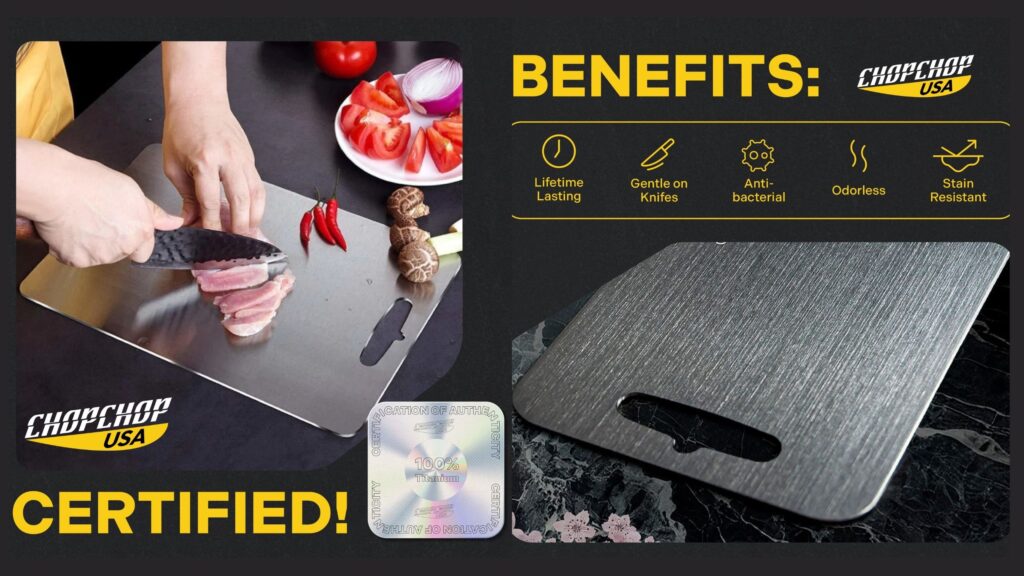
Engineered for performance, hygiene, and longevity, this cutting board stands out with:
- Ultra-durable construction that resists cracking, warping, or wear
- Naturally antibacterial, non-porous surface
- Dishwasher-safe and easy to wipe clean
- Gentle on knife blades to reduce sharpening
- Completely free from microplastics, BPA, or harmful chemicals
- Cost-effective over time, reducing need for replacements
Many cooks no longer need to ask are plastic cutting boards safe, because they’ve already made the switch to titanium.
You can read more information here: ChopChop Titanium Cutting Board Review – Is It Worth It?
ChopChop USA Double-Sided Titanium Cutting Board
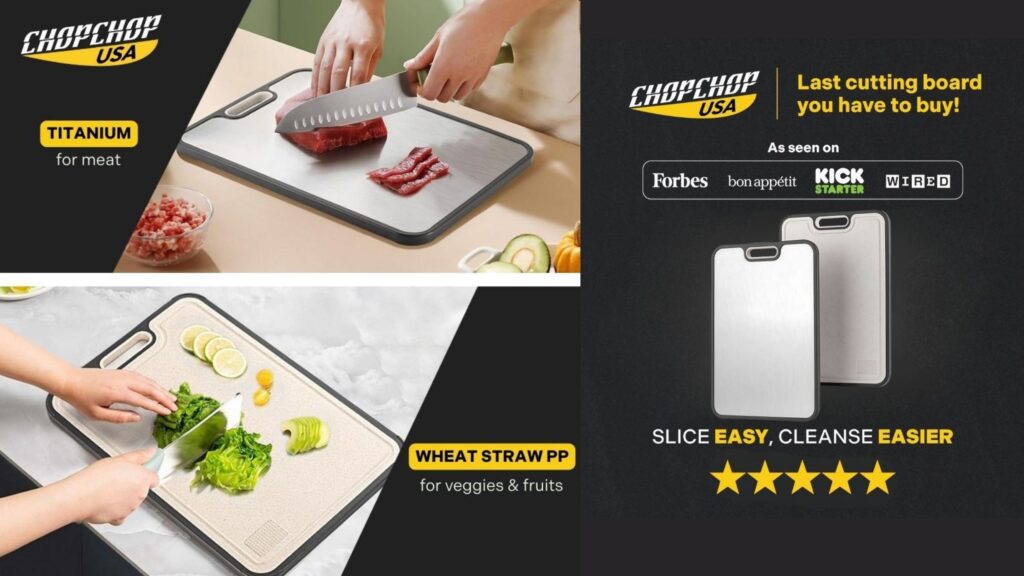
For home chefs who want versatility, hygiene, and eco-conscious design, the ChopChop USA Double-Sided Titanium Cutting Board delivers exceptional performance. This innovative board features two specialized surfaces to handle a wide range of kitchen tasks.
- Titanium Side: Ideal for cutting raw meats, poultry, and seafood. It’s corrosion-resistant, ultra-durable, and naturally antibacterial, making it a safer option for handling potentially risky ingredients.
- Wheat Fiber Side: Biodegradable and eco-friendly, this side is perfect for slicing produce, bread, and cooked foods without transferring odors or bacteria.
Additional benefits include:
- Crack-resistant and designed to prevent bacteria buildup
- Made with 100% food-grade, non-toxic materials
- Easy to clean—dishwasher safe and quick to sanitize
- Gentle on knives and resistant to stains
- Built to last over 10 years with daily use
You can read more information here: ChopChop USA Double-Sided Stainless Steel Cutting Board Review – Is It Worth It?
If you’re still wondering are plastic cutting boards safe for everyday cooking, this titanium option offers a premium, long-lasting alternative that prioritizes both safety and sustainability.
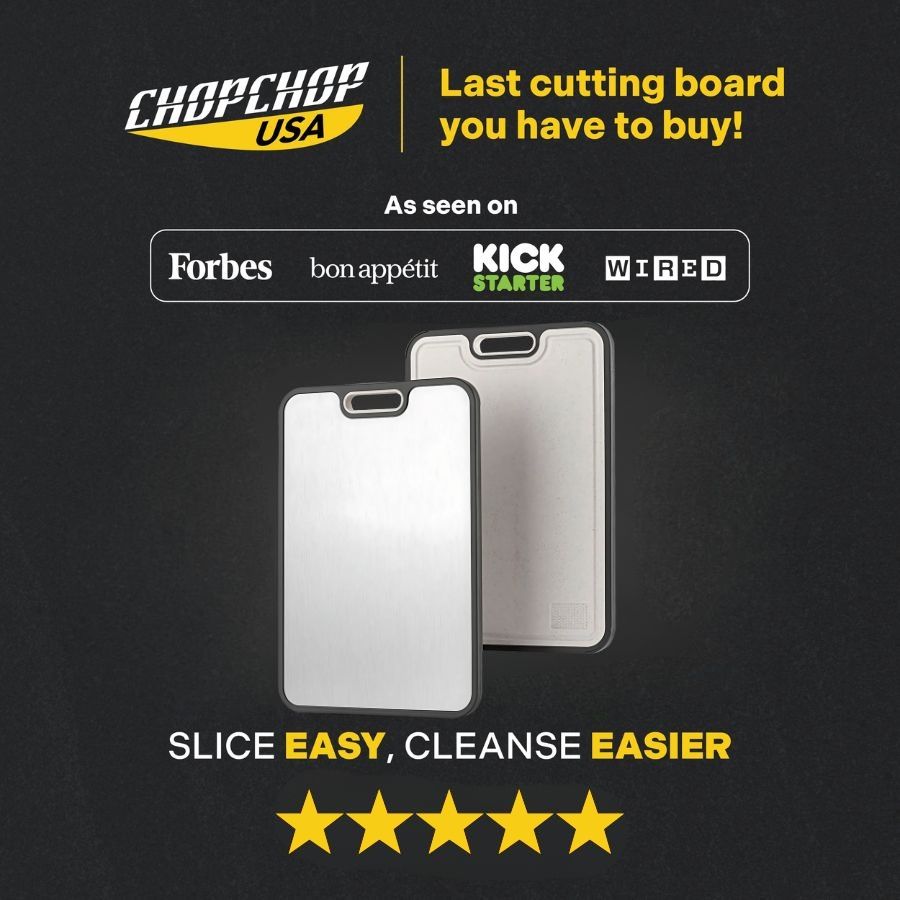
ChopChop™ USA
100% Pure Titanium Cutting Board

ChopChop™ USA
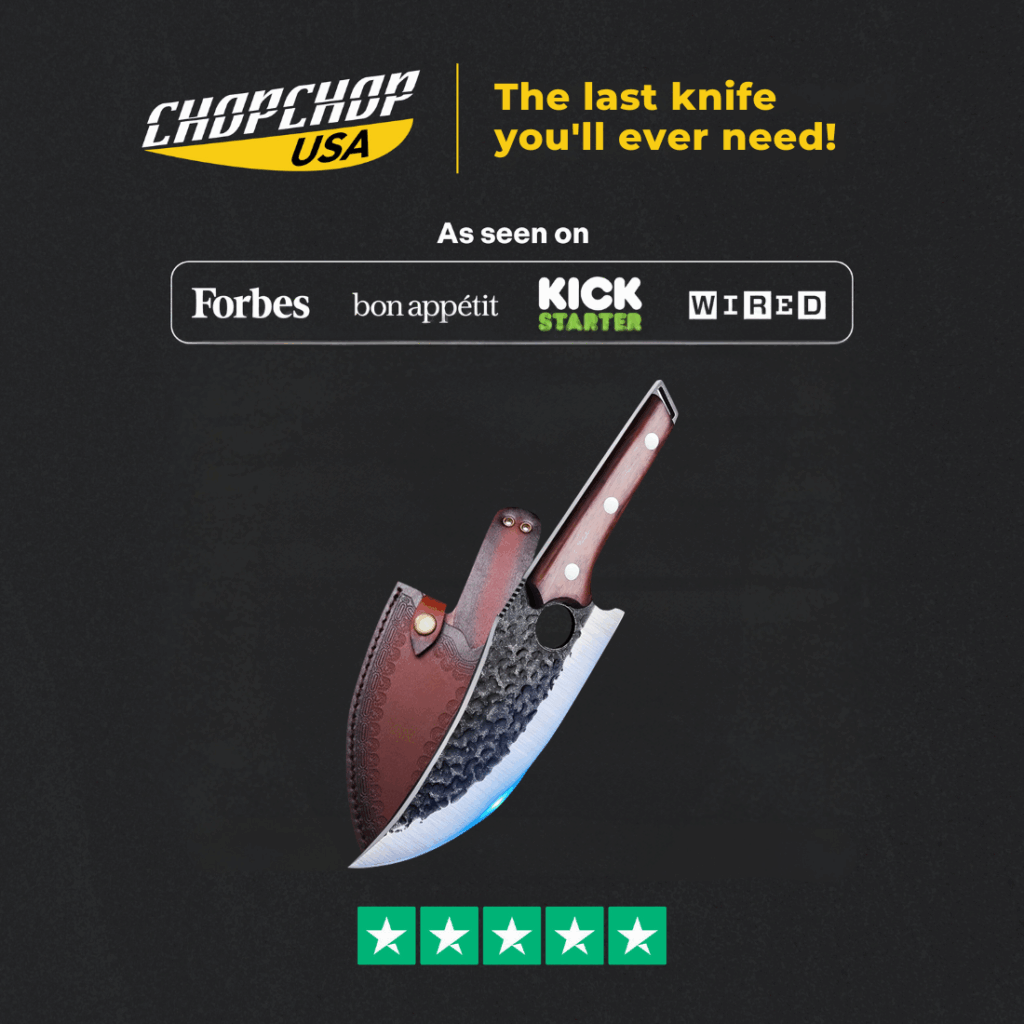
Boning Knife
Conclusion: Are Plastic Cutting Boards Safe?
So, are plastic cutting boards safe? The short answer: they can be, but only with strict maintenance, routine replacement, and proper hygiene practices. As plastic wears down, it becomes less safe and more prone to bacterial growth and contamination.
For home chefs, health-conscious consumers, and anyone tired of replacing boards every few months, titanium offers a safer, longer-lasting, and more sustainable solution. Products like the ChopChop USA Titanium Cutting Board and Double-Sided Titanium Cutting Board provide unmatched hygiene, knife safety, and durability.
Make the smart move for your kitchen—and your health—by upgrading from plastic to titanium.
FAQs
Are plastic cutting boards dishwasher safe?
Yes, most are. Dishwashers help sanitize the surface, but bacteria may still survive in deep grooves.
Are plastic cutting boards bad for you?
They can be. With time, plastic boards may shed microplastics, trap bacteria, and dull knives—making them a questionable long-term choice.
Are titanium cutting boards safe?
Absolutely. Titanium is naturally antibacterial, extremely durable, and 100% non-toxic. It’s one of the safest cutting board materials available today.
Where can I buy titanium cutting board?
You can find premium titanium cutting boards at ChopChop USA, including the standard and double-sided models engineered for modern kitchen needs.