


Eggs are a staple in kitchens around the world for good reason. They’re inexpensive, versatile, and packed with nutrients that benefit the body from head to toe. Whether you’re cooking breakfast, lunch, or dinner, eggs can take center stage or play a supporting role. But did you know that how you cook your eggs can dramatically impact their nutritional value?
In this guide, we’ll break down the best cooking methods for eggs, highlight what nutrients eggs offer, and provide essential tips to help you get the healthiest results. We’ll also introduce a few top-tier kitchen tools from ChopChop USA that make cooking eggs even easier and more efficient.
Nutrients in Eggs
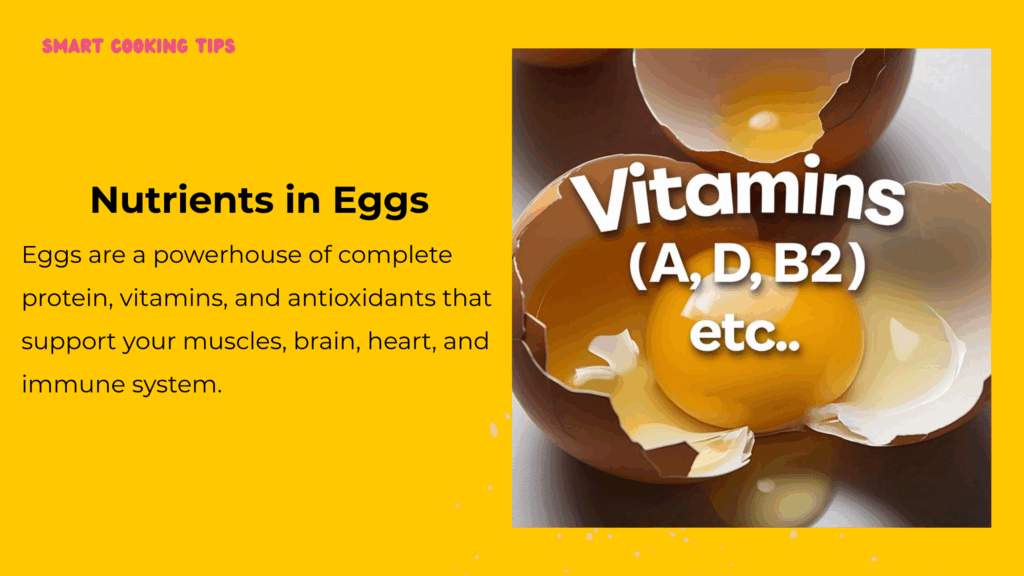
Before diving into the best cooking methods for eggs, it’s helpful to understand why eggs are considered one of nature’s most complete foods. One large egg contains about 6 grams of high-quality, complete protein, meaning it provides all nine essential amino acids your body needs for muscle repair, immune support, and energy production.
But the benefits don’t stop at protein. Eggs are also loaded with key vitamins and minerals:
- Vitamin A – supports healthy vision and strengthens the immune system
- Vitamin D – promotes strong bones and improves calcium absorption
- B Vitamins – help convert food into energy and support brain function
- Choline – essential for brain development and liver health
- Selenium – a powerful antioxidant that protects cells from damage
- Omega-3s – found in pasture-raised eggs, support heart and brain health
Eggs also contain lutein and zeaxanthin, two antioxidants known for promoting eye health and protecting against age-related vision issues.
Even better? Egg nutrients are highly bioavailable, meaning your body can absorb them efficiently. However, how you cook them makes a difference. Some cooking methods for eggs, especially those involving high heat, can reduce the levels of certain vitamins. That’s why using the healthiest cooking techniques matters for both taste and nutrition.
Different Cooking Methods of Eggs
Boiled Eggs (Soft or Hard-Boiled)
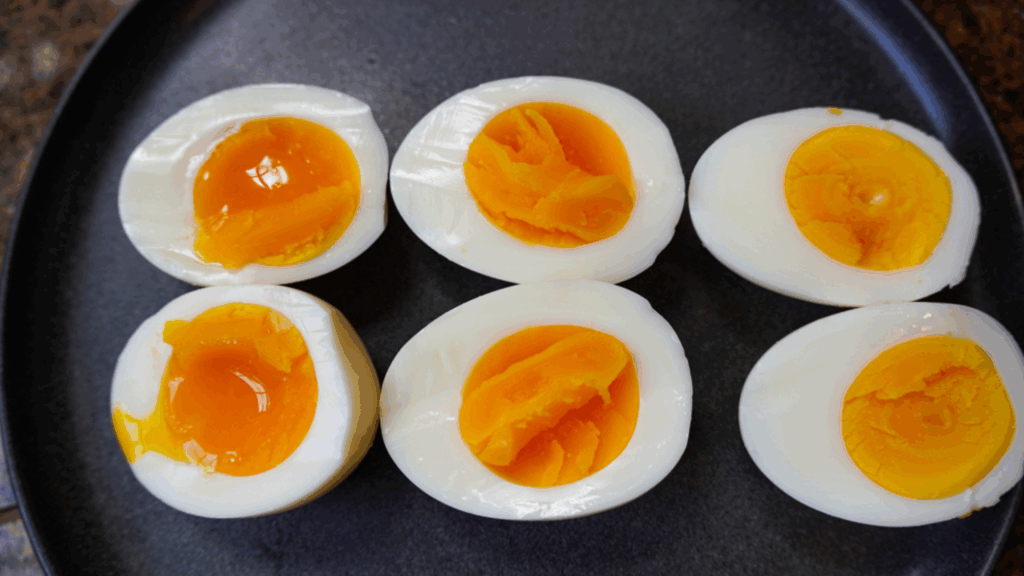
Among the healthiest cooking methods for eggs, boiling requires no added fats. Soft-boiled eggs have a runny yolk, while hard-boiled eggs are fully cooked through. Both preserve most of the egg’s natural nutrients while keeping calories and fat content low. This simple method is ideal for meal prep and snacks.
Poached Eggs
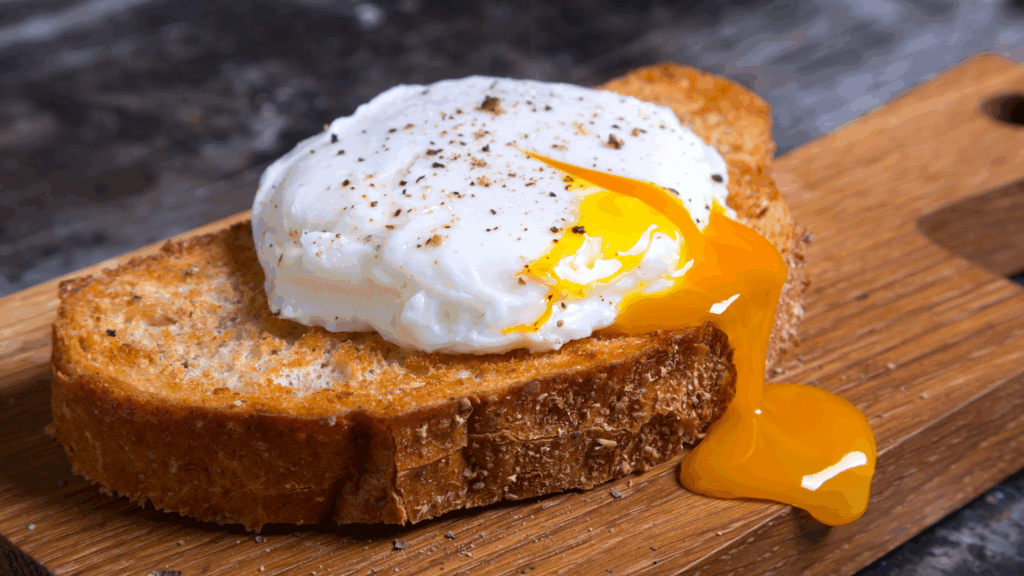
Poaching is one of the healthiest cooking methods for eggs. Eggs are cracked into simmering water and cooked gently without oil or butter. This helps retain vitamins like B12 and folate, while delivering a soft, silky texture. Poached eggs are a great low-fat option for breakfast or salads.
Scrambled Eggs
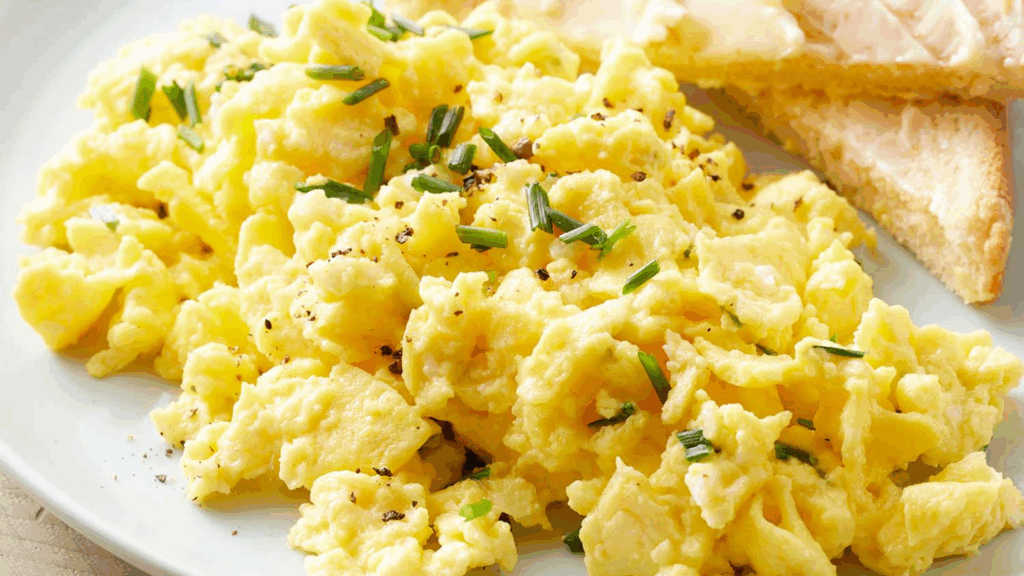
Scrambling is a fast and popular way to cook eggs, but it depends heavily on the preparation. Adding heavy butter or cheese can spike calorie content. To keep it healthy, use a non-stick pan, cook on low heat, and use a small amount of olive or avocado oil.
Fried Eggs (Sunny Side Up, Over Easy, etc.)
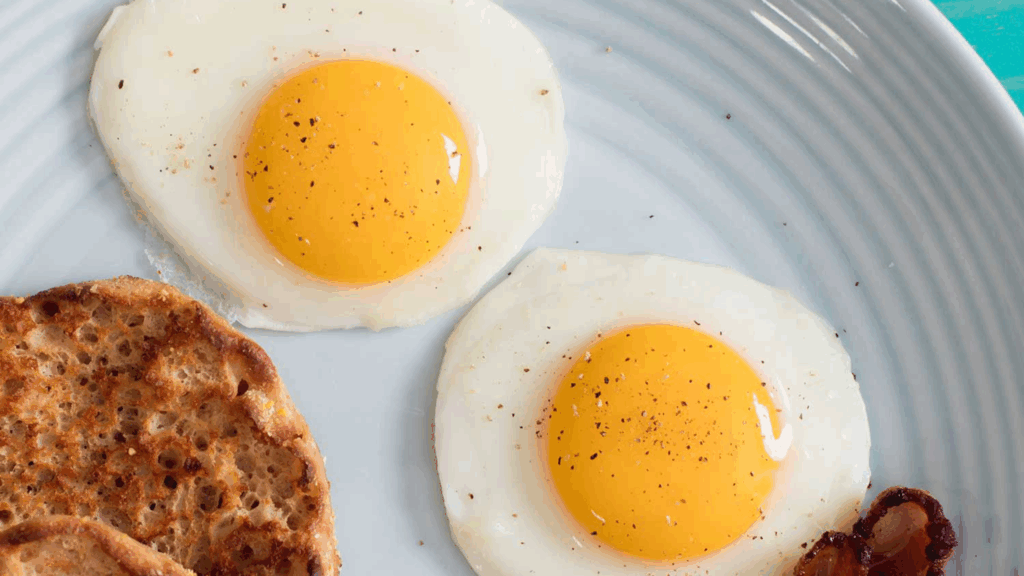
Frying eggs is one of the tastiest ways to cook eggs, but it typically involves oil or butter. High-heat frying can damage cholesterol in the yolk and reduce antioxidants. If you love fried eggs, use a stable oil like avocado or coconut oil, and avoid overheating to protect nutrients.
Omelette
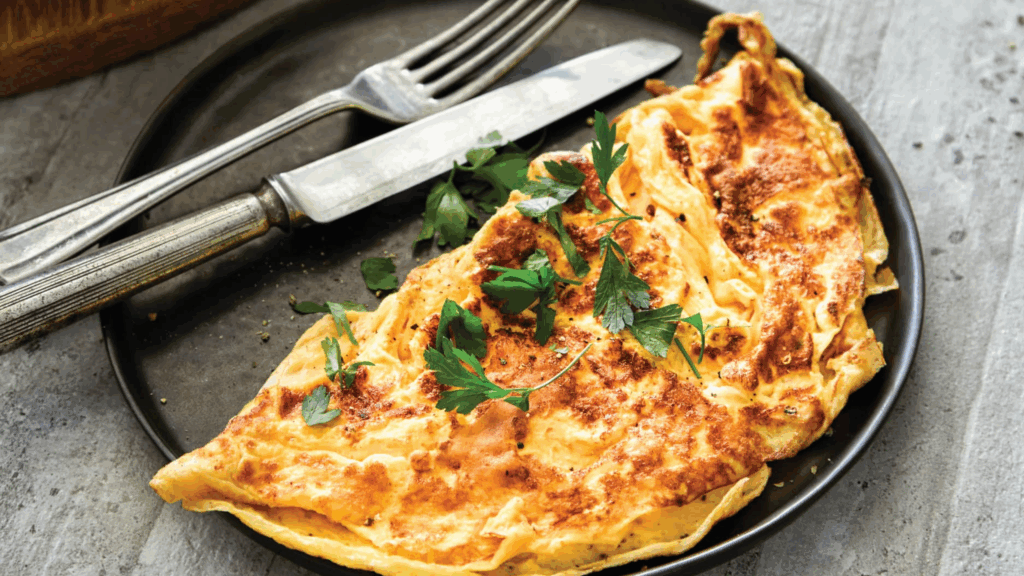
An omelette allows you to incorporate vegetables, herbs, and lean proteins, making it one of the more customizable cooking methods for eggs. When cooked slowly at medium heat, this method helps preserve vitamins and minerals. It’s a great way to get fiber, antioxidants, and flavor in one dish.
Frittata
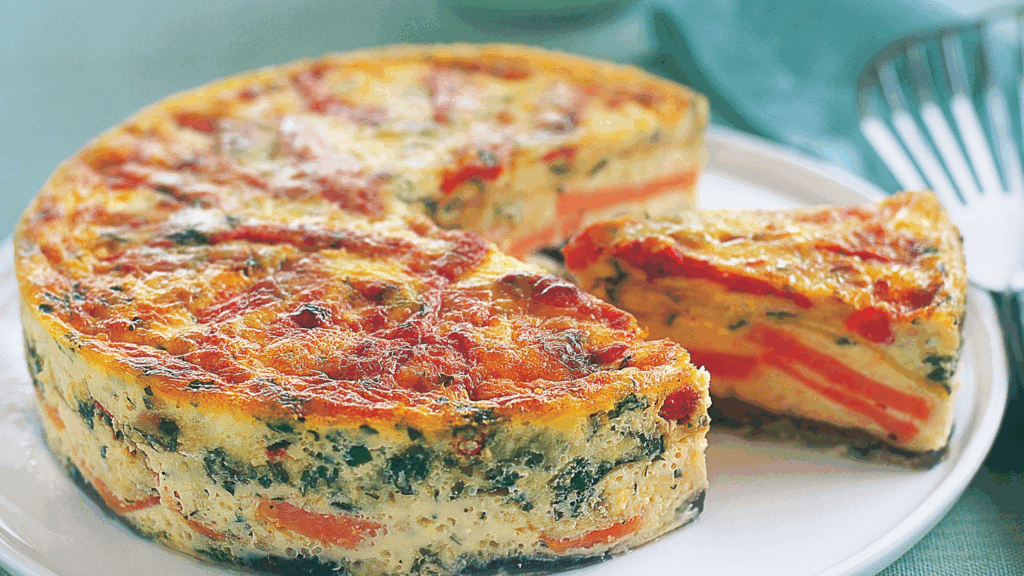
A frittata is similar to an omelette but cooked more slowly and often finished in the oven. This method offers one of the most filling and versatile cooking methods for eggs. You can combine eggs with greens, tomatoes, mushrooms, and cheese for a complete, nutrient-dense meal with minimal oil.
Steamed Eggs
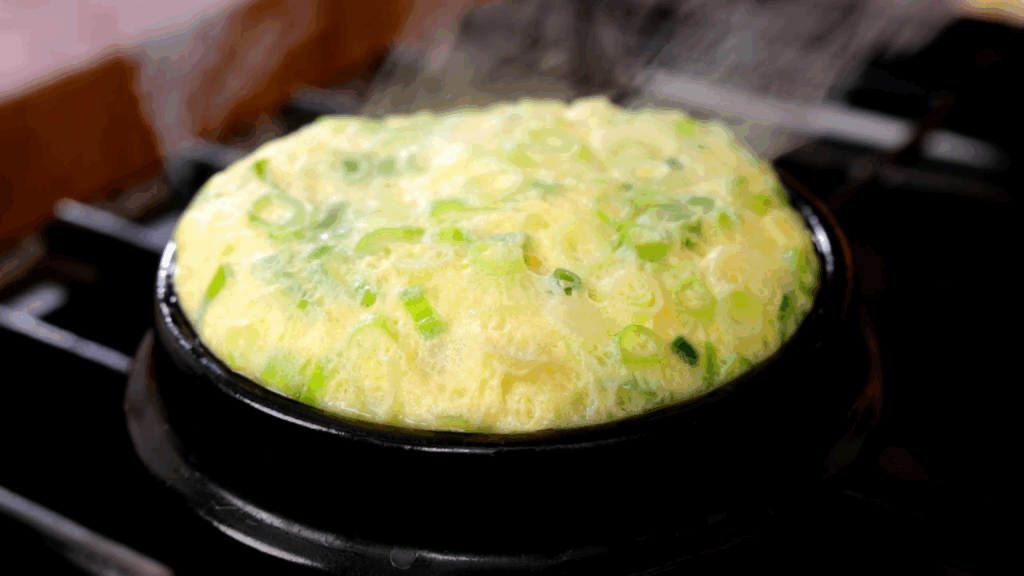
Steaming is a gentle, moisture-rich cooking method that protects delicate vitamins in eggs. As one of the lesser-used cooking methods for eggs, it’s incredibly healthy because it doesn’t require added fat. The result is a silky texture, often seen in Asian cuisine, and a high retention of nutrients.
Stir-Fried Eggs
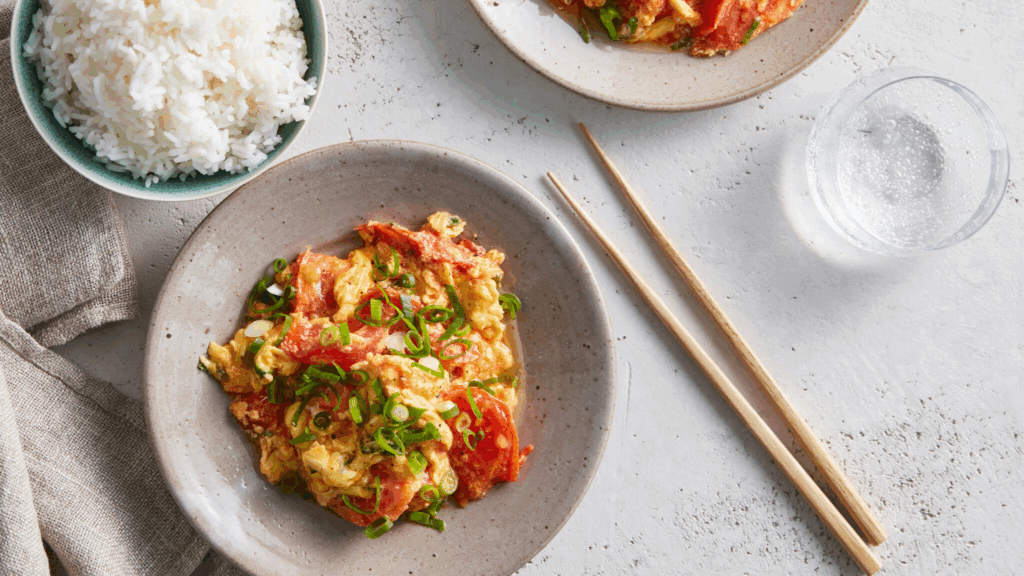
Stir-frying is a quick, high-heat technique often used in Asian recipes. To keep it healthy, choose a stable oil (like avocado oil) and cook on medium heat. Stir-frying eggs with vegetables like bell peppers or spinach makes this one of the more flavorful and balanced cooking methods.
As you can see, the different cooking methods of eggs can greatly impact not just their taste and texture, but also their nutritional value. Next, let’s explore how certain techniques may reduce the health benefits eggs naturally offer.
Can Cooking Damage Egg Nutrients?
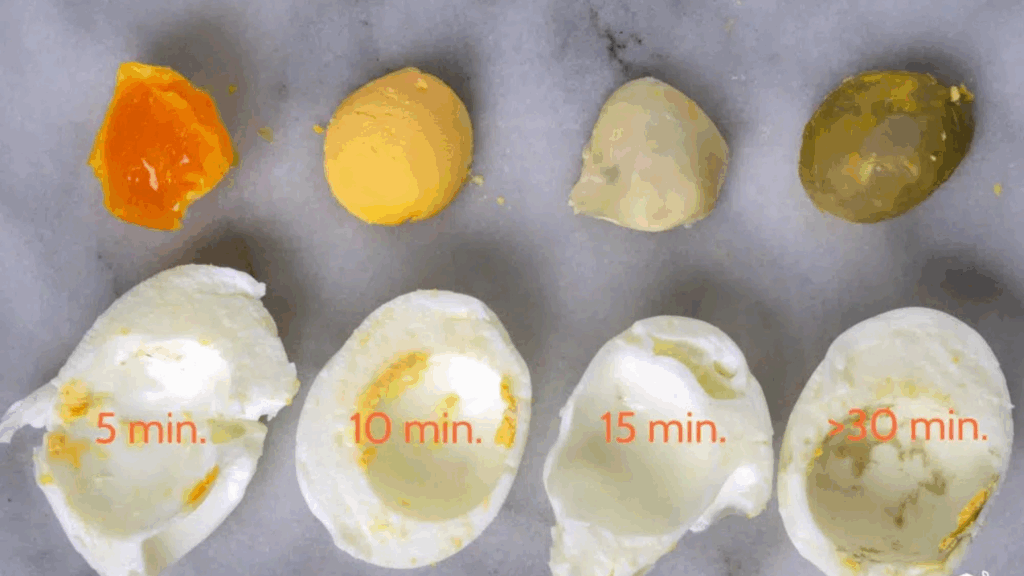
Yes—some cooking methods for eggs may reduce their nutrient value, especially when high heat or long cooking times are involved. Here’s what to keep in mind:
- Heat-sensitive nutrients like vitamin A, vitamin E, and some antioxidants can degrade when exposed to prolonged high temperatures.
- Cholesterol oxidation can occur when eggs are fried or cooked too long, potentially forming harmful compounds.
- Overcooking can lead to a rubbery texture and decreased bioavailability of some amino acids.
That said, cooking also has advantages. It improves protein digestibility and destroys potential pathogens like Salmonella. The goal is to find balance with healthy cooking methods for eggs that preserve nutrients without compromising safety.
Tips to Cook Super Healthy Eggs
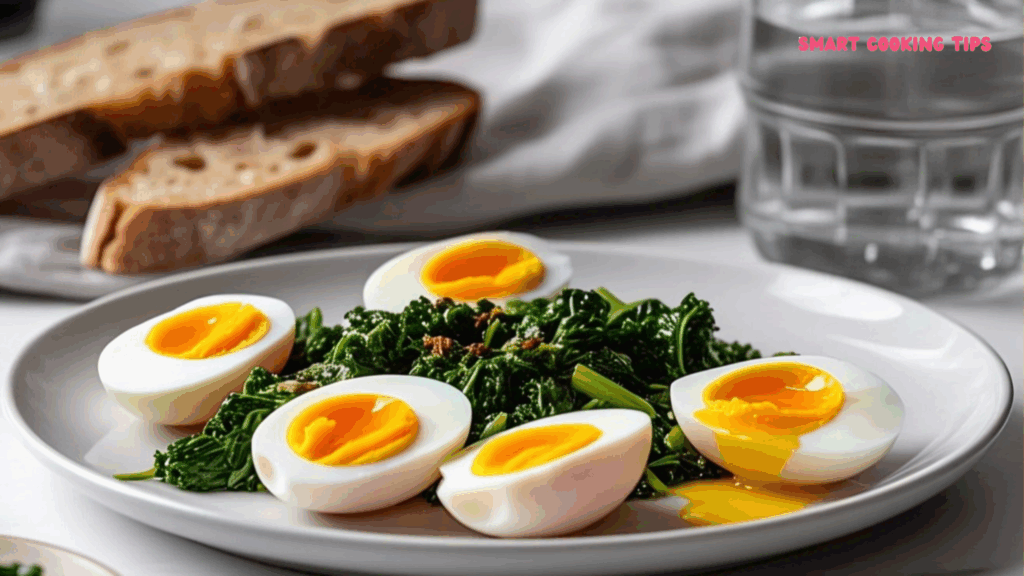
Let’s dive into practical advice for getting the most nutrition out of your eggs using the best cooking methods for eggs:
Choose Low-Calorie Cooking Methods
Stick with boiling, poaching, or steaming when possible. These require no added fat and retain most nutrients. They’re also ideal for meal prepping.
Combine Eggs with Vegetables
Adding spinach, tomatoes, mushrooms, or peppers boosts your fiber, antioxidants, and vitamins. These combinations not only enhance taste but also make your meal more balanced and filling.
Use Stable Oils
If you choose to fry or stir-fry your eggs, use oils with high smoke points like avocado or sunflower oil. Avoid butter or margarine, which oxidize quickly and may introduce unhealthy fats.
Don’t Overcook
Soft-cooked eggs (like poached or lightly scrambled) maintain more nutrients. Avoid browning the egg or cooking it until rubbery. Cook just until the whites are firm and yolks are runny or barely set.
Use the Right Tools
Investing in quality cookware can make a big difference when using gentle cooking methods for eggs. Even heat distribution and non-reactive surfaces help preserve nutrients.
Recommended Kitchen Tools from ChopChop USA
To create a great egg-based recipe, using the right kitchen tools is essential. ChopChop USA offers premium, chef-trusted essentials that make prepping and cooking eggs easier, cleaner, and more enjoyable.
Stainless Steel Frying Pan

- Even Heat Distribution: Prevents burning or undercooking.
- Non-Reactive Surface: Maintains the natural taste of eggs.
- Easy to Clean: Food slides off effortlessly.
- Antibacterial & Durable: Built to last for years.
- Multiple Sizes: From 22 to 30 cm, ideal for any egg dish.
Perfect for scrambling, frying, or making omelettes while preserving flavor and nutrients.
Utensil Set

- Includes: Spatula, Turner, Skimmer, Dipper
- Non-Reactive & Antibacterial: Won’t alter taste or harbor bacteria.
- Ergonomic Design: Safe, comfortable grip for better control.
These tools are ideal when flipping poached eggs, scooping hard-boiled eggs, or stirring gently scrambled eggs.
See more: ChopChop Kitchen Utensils Review – Is It Worth It?
Double-Sided Titanium Cutting Board

- Titanium Side: Perfect for prepping meats or cracking eggs without dulling knives.
- Wheat Fiber Side: Gentle, biodegradable, great for veggies.
- Non-Porous & Odor-Resistant: Keeps food safe and flavors pure.
- Eco-Friendly: Made without microplastics or toxic chemicals.
A great tool to prep all your egg and veggie combos for omelettes or stir-fried dishes.
See more: ChopChop USA Double-Sided Titanium Cutting Board Review
Final Thoughts
Eggs are among the most nutritious and versatile foods, but how you cook them matters. Using healthy cooking methods for eggs—like boiling, poaching, or steaming—can help preserve their valuable vitamins, minerals, and protein.
Avoid overcooking and choose stable oils if frying. Add vegetables for extra nutrition and flavor. And remember, using high-quality kitchen tools like those from ChopChop USA makes every cooking method more effective and enjoyable.
From stainless steel frying pans to titanium utensils and cutting boards, ChopChop USA has everything you need to master the healthiest cooking methods for eggs in your kitchen.
Want to eat smarter, cook better, and fuel your body right? Start with the right technique—and the right tools.
FAQs
What Is the Cooking Method for Eggs?
Cooking methods for eggs include boiling, poaching, scrambling, frying, steaming, baking, and stir-frying. Each impacts texture and nutrition differently.
How Can You Make Eggs Part of a Balanced, Healthy Diet?
Incorporate eggs with whole grains, leafy greens, or lean proteins. Use healthy oils, avoid overcooking, and choose varied cooking methods for eggs to maximize nutrition.
What Is the Healthiest Way to Cook and Eat Eggs?
Poaching and boiling are top choices. They preserve nutrients, require no added fats, and support clean eating. Pair with veggies for extra benefits.
Do Different Cooking Methods of Eggs Change Their Nutrition?
Yes. High-heat methods like frying can reduce antioxidant levels, while boiling or poaching helps retain the most nutrients without added calories.
Can the Right Kitchen Tools Improve How You Cook Eggs?
Absolutely. Using non-stick pans, titanium utensils, or a quality cutting board can make egg prep easier, cleaner, and more nutritious.