

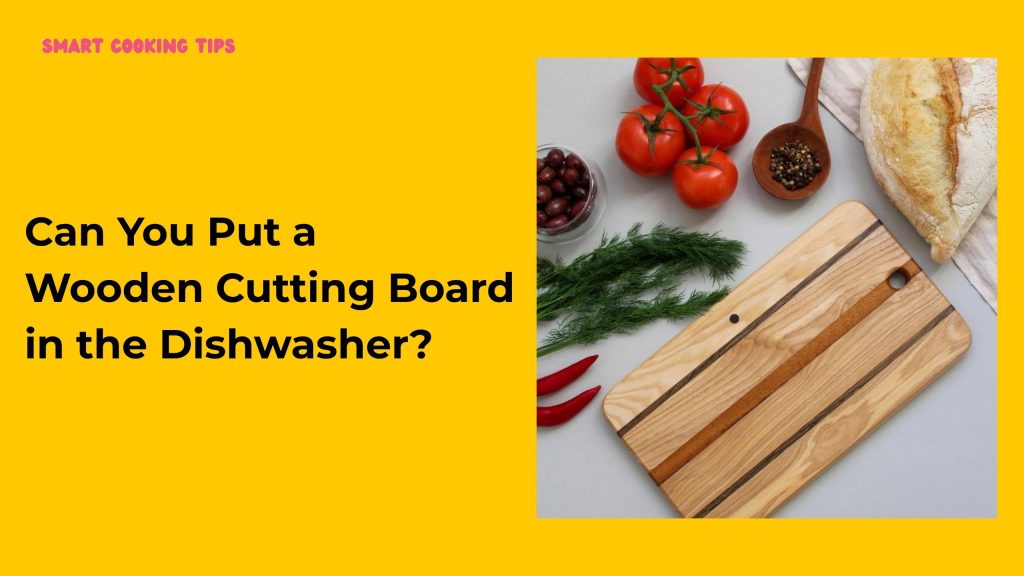
Cutting boards are kitchen essentials, but wooden ones need special care. A common question is: Can you put a wooden cutting board in the dishwasher? The answer might surprise you. In this blog, we’ll explore why wood reacts poorly to heat and moisture, what happens when you machine-wash it, and which materials—like titanium or stainless steel—are safer for dishwashers.
So if you’ve ever wondered, “Are wood cutting boards dishwasher-safe, or should I hand wash them?”—you’re not alone. We’ll also introduce ChopChop USA’s smarter, low-maintenance cutting boards, designed for busy kitchens and health-conscious home cooks.
What Is a Wooden Cutting Board?
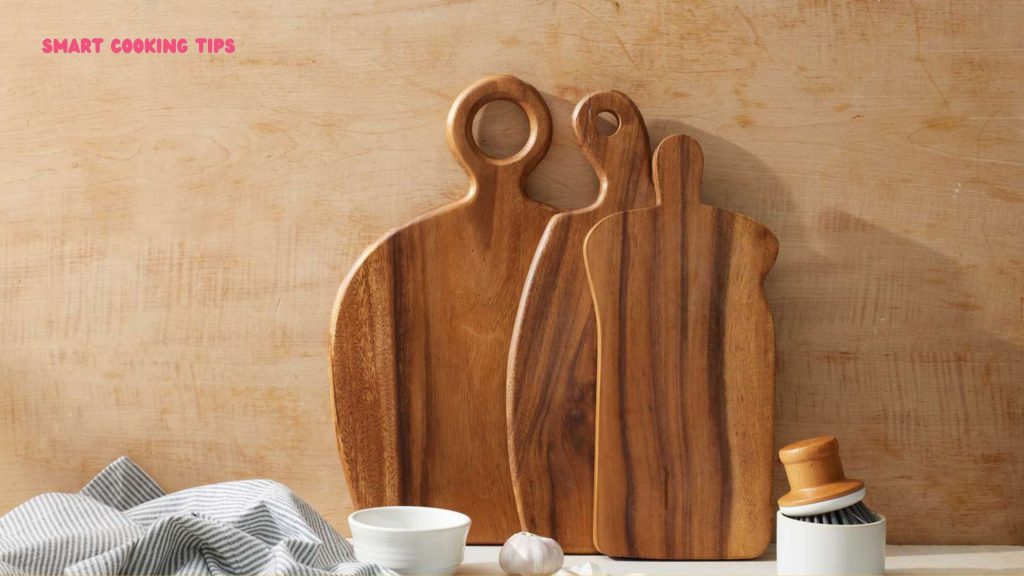
A wooden cutting board is a kitchen staple known for its durability, natural beauty, and knife-friendly surface. Common materials include maple, walnut, cherry, acacia, and bamboo—dense enough for chopping but soft enough to protect your knife edges.
Many home cooks and chefs prefer wood for its timeless appearance and organic feel. It also offers mild antimicrobial properties, which make it a smart, hygienic choice for everyday food prep.
However, these benefits come with care requirements. If you’ve ever asked, “Can you put a wooden cutting board in the dishwasher?”, you’re not alone. Understanding how water and heat affect wood is key—because, despite its strengths, the answer to “Are wood cutting boards dishwasher-safe” is more complex than it seems.
Can You Put a Wooden Cutting Board in the Dishwasher?
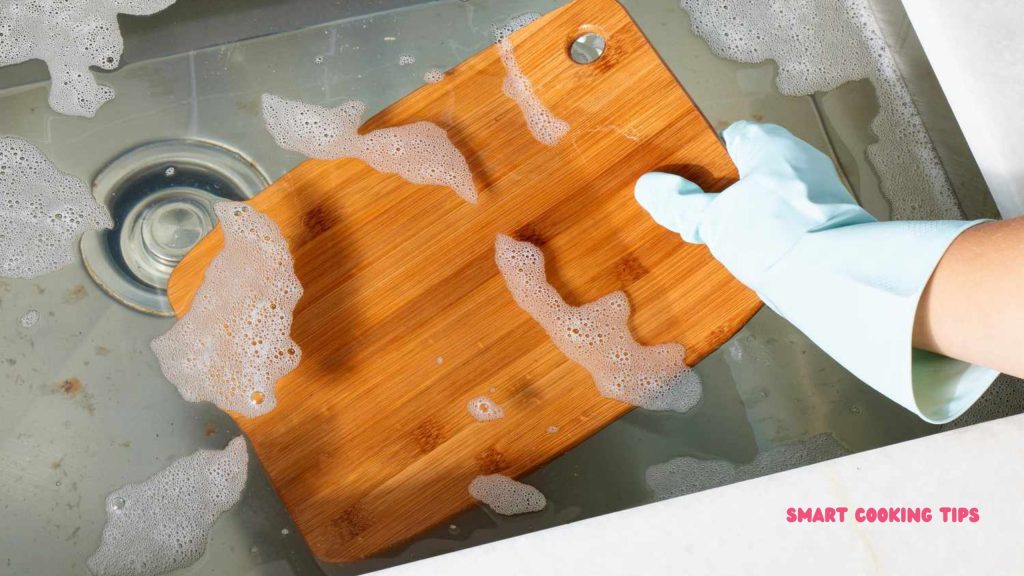
Can you put a wooden cutting board in the dishwasher? The short answer is no—and here’s why: dishwasher heat and moisture cause wood to warp, crack, and harbor bacteria. Even a single wash can damage your board. For longevity and hygiene, always hand-wash wooden cutting boards and dry them thoroughly.
Warping and Cracking
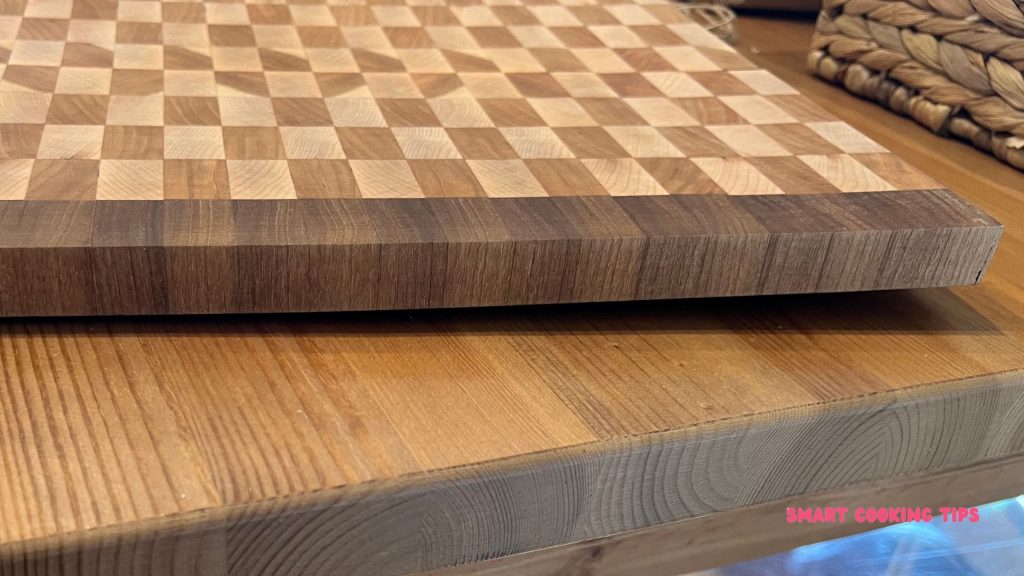
Dishwashers blast hot water and steam combined with powerful detergents. Wooden cutting boards absorb this moisture and expand rapidly. During the drying cycle, they contract just as quickly. This constant expansion and contraction causes the board to warp or crack. Even a single dishwasher cycle can ruin its flat, stable surface.
Splitting and Delamination
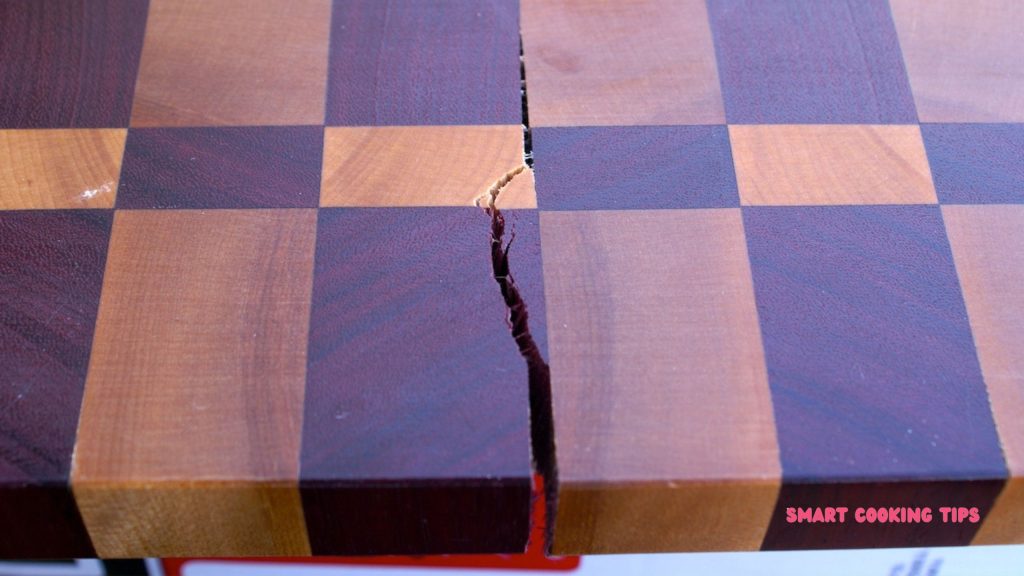
Many wooden boards, especially bamboo, are made from layers of glued-together strips. In the dishwasher, heat and moisture weaken the adhesive, leading to separation. Over time, the board may split, peel, or delaminate entirely. This not only looks unsightly but also reduces the structural integrity and lifespan of the board. Can you put a wooden cutting board in the dishwasher? Definitely not—especially if it’s laminated or glued together.
Bacteria Risk
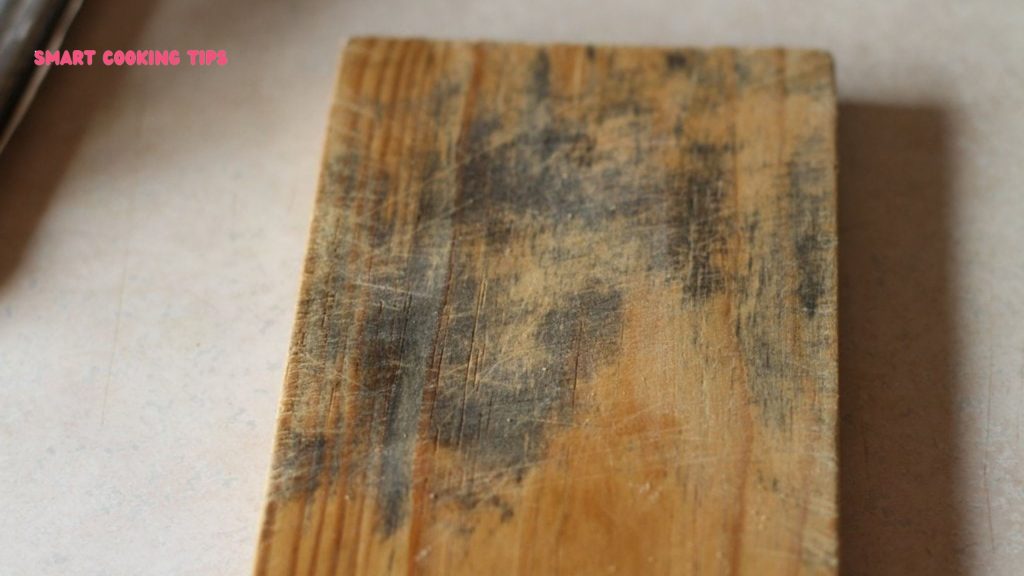
Warped or cracked wooden boards aren’t just inconvenient—they’re a health hazard. Water and food particles collect in the damaged grooves, creating hidden pockets where bacteria thrive. These bacteria are difficult to remove through hand washing. Using a compromised board increases the risk of cross-contamination and foodborne illness during meal prep.
Manufacturer Warnings
Most manufacturers clearly state on the packaging: Not dishwasher safe. Ignoring this voids warranties and shortens your board’s life span.
So again, can you put a wooden cutting board in the dishwasher even occasionally? It’s never a good idea. Let’s look at safer options instead.
Which Cutting Boards Are Dishwasher Safe?
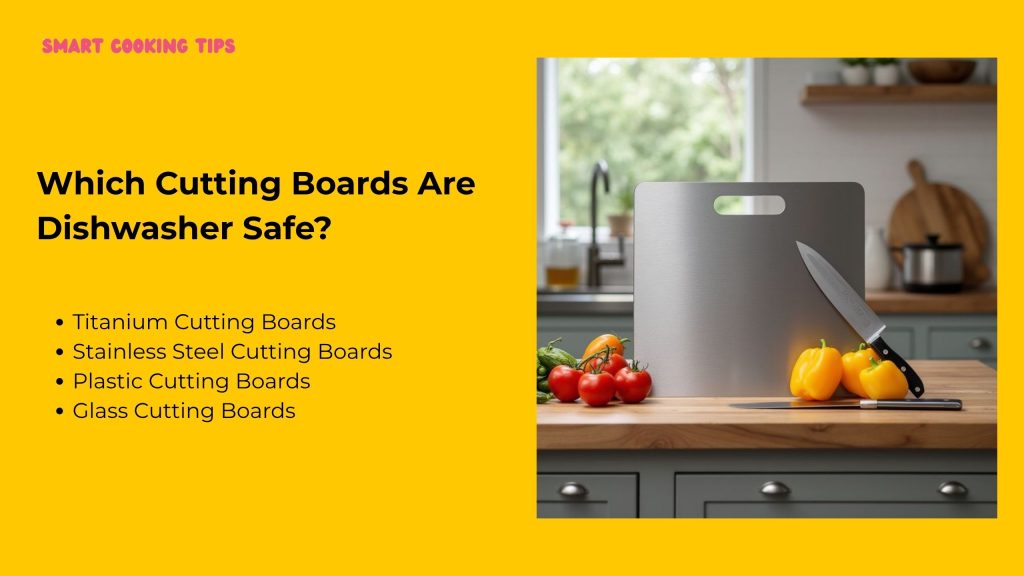
Not all cutting boards require delicate hand washing. Some materials are specifically designed to handle high heat, detergents, and water exposure without damage. Can you put a wooden cutting board in the dishwasher? No—but these alternatives are made to handle the dishwasher with ease. Here are the most reliable options:
Titanium Cutting Boards
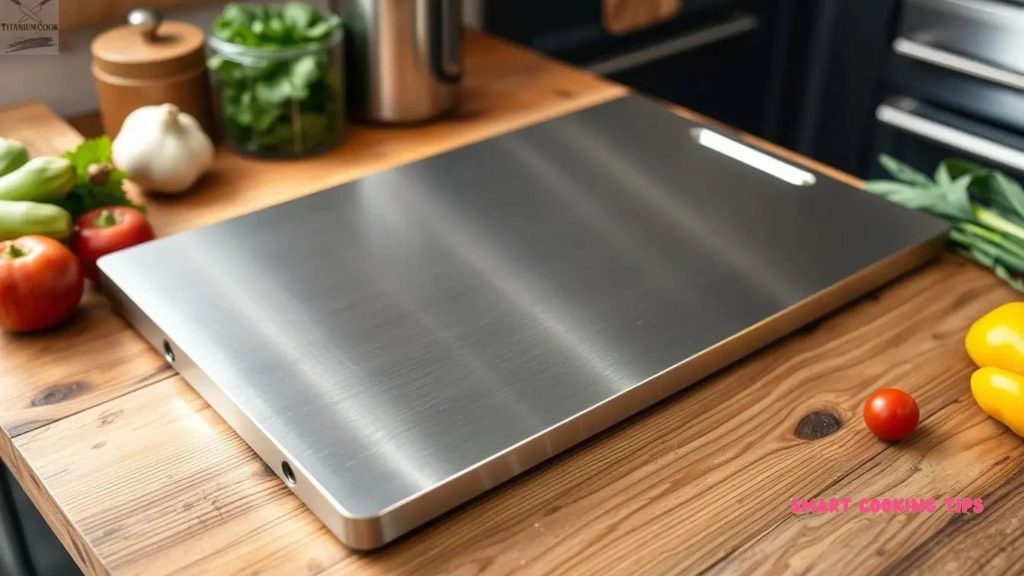
Titanium is virtually indestructible. It’s non-porous, rust-resistant, and 100% dishwasher safe. It won’t dull your knives, crack, or stain, making it a dream material for health-conscious kitchens. Titanium boards like the ones from ChopChop USA are becoming the go-to for modern, busy home cooks.
Stainless Steel Cutting Boards
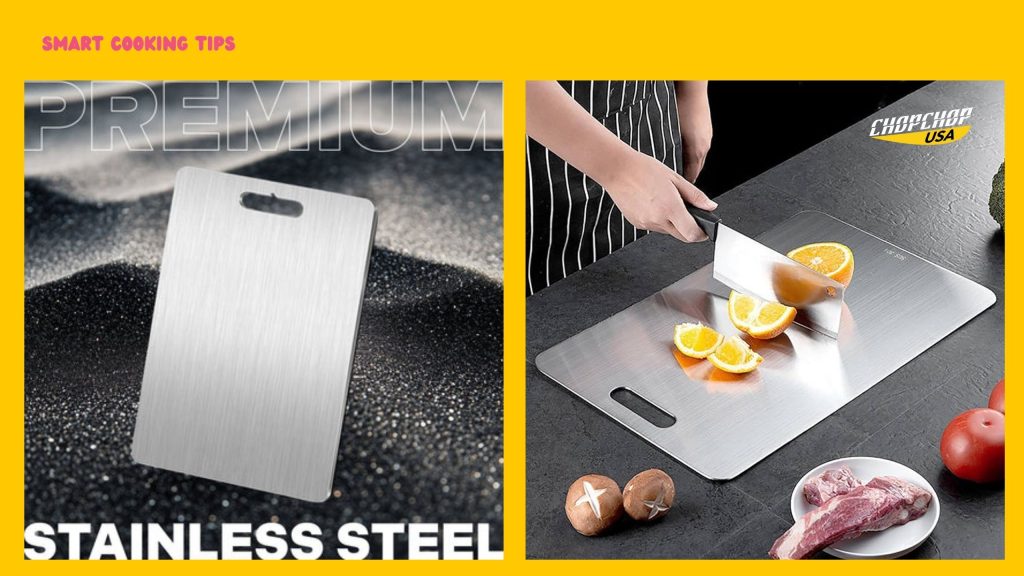
Stainless steel is sleek, hygienic, and highly durable. It’s dishwasher safe and doesn’t absorb odors or stains. Though a little harder on knives, many home chefs pair stainless steel boards with plastic or silicone mats to protect blades. Can you put a wooden cutting board in the dishwasher? No—but stainless steel offers a dishwasher-safe alternative without the risk of warping or cracking. ChopChop USA’s stainless steel cutting board is a great example of functional, elegant design.
Plastic Cutting Boards
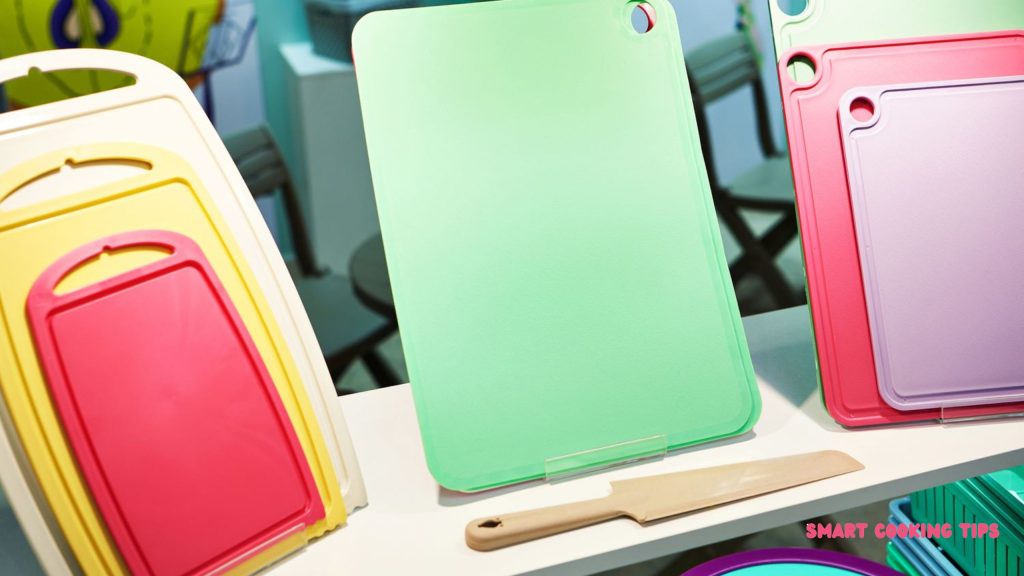
Plastic boards are the most affordable option and widely considered dishwasher safe. However, they scratch easily and harbor bacteria in those grooves. Over time, they wear out and may need to be replaced more frequently.
Glass Cutting Boards
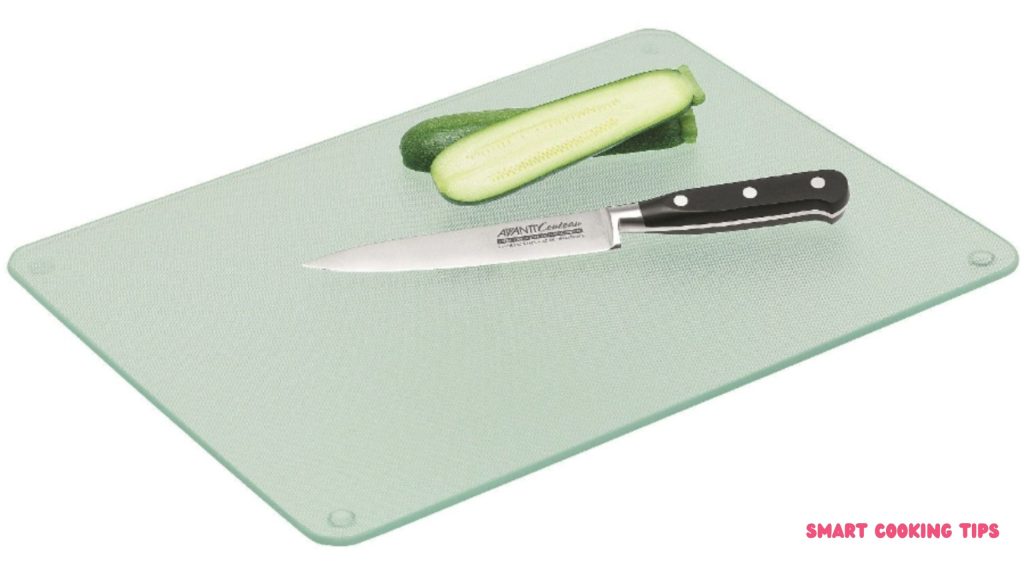
Dishwasher safe—but not recommended for food prep.
Glass boards are non-porous and easy to sanitize, so they can go in the dishwasher. However, they are very hard on knives, often dulling blades quickly. They’re better for decorative use or serving rather than chopping.
How to Clean a Wooden Cutting Board Properly
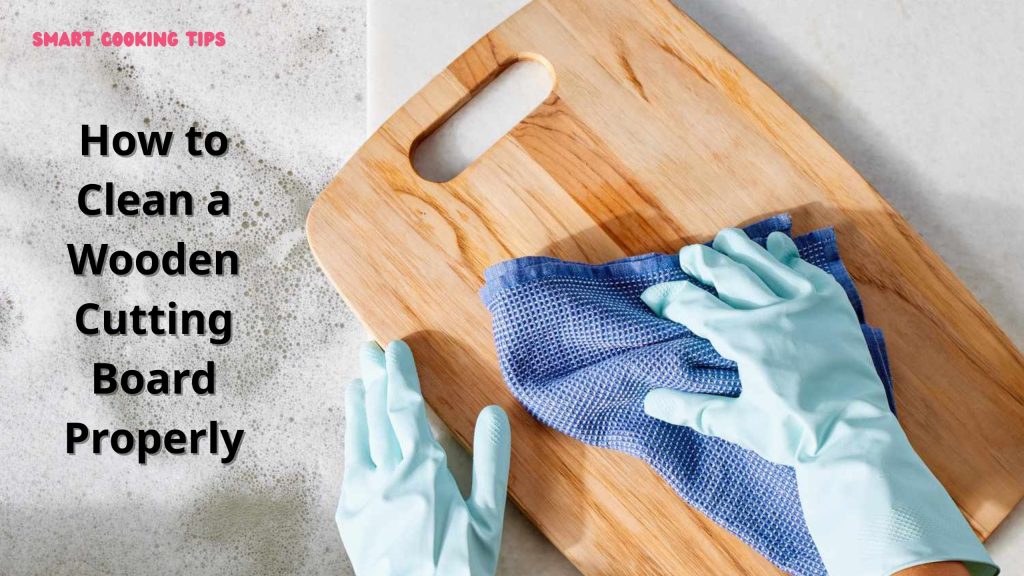
Taking care of your wooden cutting board isn’t complicated—but consistency is key. Can you put a wooden cutting board in the dishwasher? Absolutely not. But with the right cleaning and maintenance routine, your board can stay beautiful and functional for years.
- Daily Cleaning: After each use, hand-wash your board using warm water and a mild dish soap. Scrub it gently with a soft sponge to lift food particles and stains. Avoid abrasive materials like steel wool, which can damage the surface. Most importantly, never let your board soak in water—it can absorb moisture and warp.
- Weekly Deep Cleaning: To refresh your board and remove odors, sprinkle coarse salt or baking soda over the surface. Rub it with half a lemon, using the juice and natural acidity to lift stains. Rinse with warm water and dry thoroughly.
- Monthly Maintenance: Once a month, apply food-grade mineral oil or board butter. Let it sit overnight so the wood can absorb the moisture. Wipe away any excess in the morning.
- Drying and Storage: Always dry your board upright so air circulates freely. Store in a cool, dry place—never in a damp cabinet.
With these steps, you’ll never need to ask again: Can you put a wooden cutting board in the dishwasher?
ChopChop USA Cutting Boards: A Smarter Choice
If you’re ready to move beyond the hassle of wooden boards, ChopChop USA offers two innovative alternatives. Can you put a wooden cutting board in the dishwasher? No—but these options are made to handle daily use and dishwasher cycles with ease.
ChopChop™ USA Titanium Cutting Board
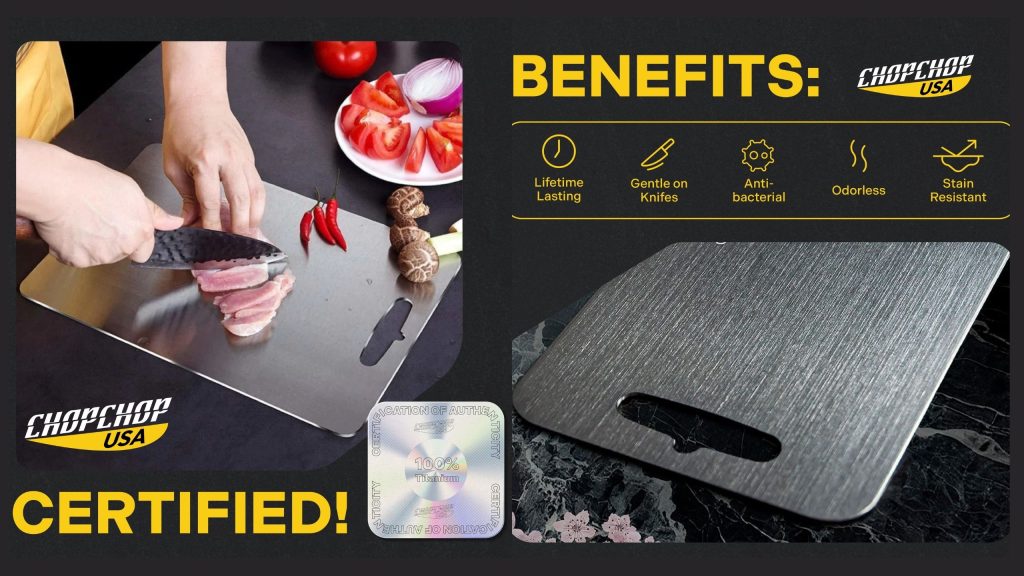
The ChopChop™ USA Titanium Cutting Board is engineered for those who prioritize performance, hygiene, and durability in the kitchen. Here’s why it’s a must-have:
- 100% dishwasher safe
- Ultra-Durable: No warping, cracking, or wear over time
- Naturally Antibacterial: Resists bacterial growth on its non-porous surface
- Effortless Cleaning: Just rinse or pop it in the dishwasher
- Knife-Friendly: Softer than steel, so it protects blade edges
- Non-Toxic: No microplastics or chemicals
- Smart Investment: Lasts for years—saving time and money
- Sleek Design: Complements any modern kitchen
See more: ChopChop USA Titanium Cutting Board Review: Is It Worth It?
ChopChop™ USA Stainless Steel Cutting Board
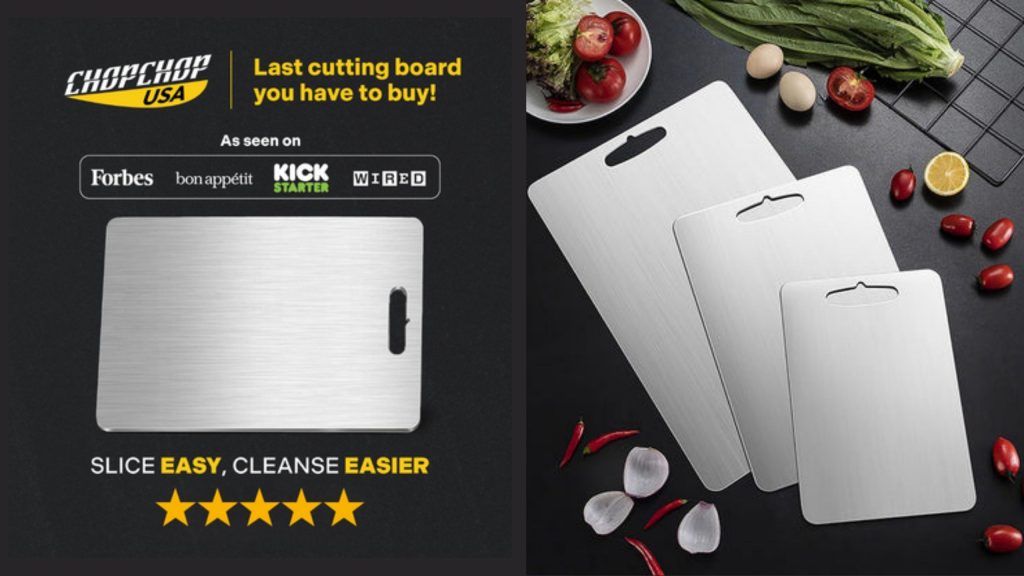
The ChopChop™ USA Stainless Steel Cutting Board is a sleek, long-lasting, and hygienic alternative to traditional boards. Can you put a wooden cutting board in the dishwasher? No—but this stainless steel option is built for modern kitchens and hassle-free cleaning. Here’s why you need it:
- 100% dishwasher safe
- Durable: Won’t warp or crack like wood or plastic
- Antibacterial Surface: Safer food prep
- Knife-Friendly: Won’t dull your blades
- No Microplastics: Safe and eco-conscious
- Budget-Friendly: Fewer replacements over time
- Professional Look: Elegant, clean, and practical
See more: ChopChop USA Stainless Steel Cutting Board Review (2025)
Why Choose ChopChop USA?

With thousands of satisfied customers, ChopChop USA stands out for its commitment to health, innovation, and kitchen performance.
- Health-Conscious Design – Non-toxic, non-porous surfaces reduce bacterial risk and help keep your meals safer.
- Built to Last – Crafted to endure heavy chopping, slicing, and frequent washing—without cracking or warping.
- Effortless Cleaning – Just rinse or toss it in the dishwasher. No scrubbing, soaking, or special treatment needed.
- Loved by Busy Cooks – Whether you’re cooking for your family or meal prepping for the week, ChopChop boards make food prep simple.
- Sleek Aesthetic – Clean lines and premium materials add a touch of modern style to any kitchen setup.
Still wondering, can you put a wooden cutting board in the dishwasher? It might be time to stop wondering—and start upgrading with ChopChop USA’s smarter cutting board alternatives.
Conclusion
So—can you put a wooden cutting board in the dishwasher? Absolutely not. While wood offers beauty and performance, it’s no match for the harsh environment of a dishwasher. Warping, cracking, and bacterial buildup are just a few of the risks.
If you want a cutting board that’s dishwasher safe, low-maintenance, and built for longevity, consider switching to ChopChop USA’s titanium or stainless steel cutting boards. They’re smart, safe, and stylish—everything a modern cook needs.
FAQs
Can you put a wooden cutting board in the dishwasher
No. The dishwasher’s heat and water exposure cause wooden cutting boards to warp, split, and degrade over time. Always hand-wash wooden boards.
How do I clean a wooden cutting board without damaging it?
Use warm, soapy water and rinse immediately. For deep cleaning, scrub with lemon and salt. Dry thoroughly and apply mineral oil monthly.
Which cutting boards can go in the dishwasher?
Titanium, stainless steel, and most plastic cutting boards are dishwasher safe. Always check manufacturer guidelines before placing any board in the dishwasher.
How often should I oil my wooden cutting board?
At least once a month—or more frequently if your board looks dry. Use food-safe mineral oil to maintain the wood’s moisture and integrity.
What’s the healthiest cutting board material?
Titanium and stainless steel are top choices for health-conscious cooks. They resist bacteria, clean easily, and don’t harbor odors or stains like porous materials.