


Wooden cutting boards are a kitchen favorite—timeless, sturdy, and beautiful. But behind their rustic charm lies a common concern: are wooden cutting boards safe for daily food prep? From raw meat to fresh veggies, your board sees it all. In this blog, we’ll slice through the facts—uncovering the pros and cons, how to keep them food-safe, and whether there’s a smarter, modern alternative worth switching to. If you’ve ever questioned your board’s hygiene, you’re in the right place.
Contents
What Is a Wooden Cutting Board?
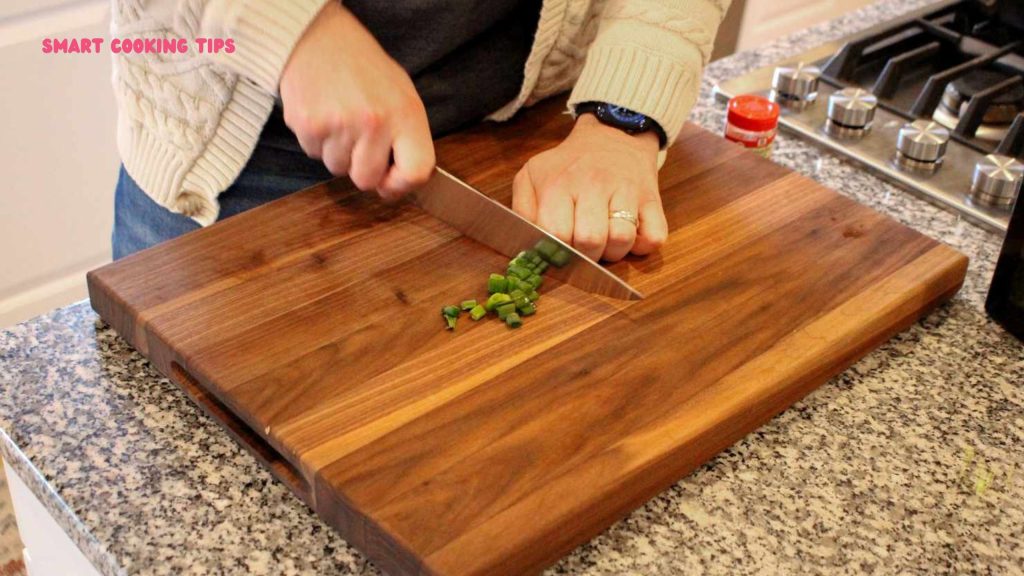
A wooden cutting board is a timeless kitchen tool made from hardwoods like maple, teak, walnut, or acacia. These dense woods are known for their durability and beauty, making them ideal for food prep. Their resistance to knife scarring helps maintain a smoother surface over time, enhancing both function and appearance.
Because hardwoods are less porous, wooden cutting boards don’t absorb moisture as easily. This makes them less likely to warp or harbor bacteria if maintained correctly. But with all the chopping, slicing, and raw ingredients involved, many people ask, Are wooden cutting boards safe for daily use in busy kitchens?
Aside from their practical benefits, wooden boards add a natural warmth that elevates any kitchen design. However, beauty isn’t everything—health and hygiene matter more. So let’s explore the science, expert opinions, and care techniques to finally answer the burning question: are wooden cutting boards safe, or is it time to switch?
Pros of Wooden Cutting Boards
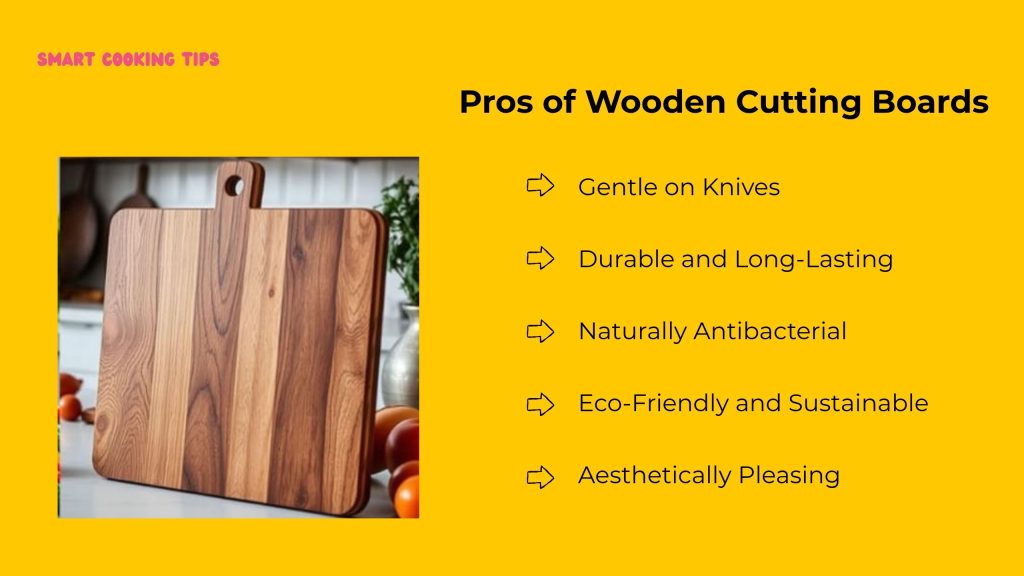
Wondering, are wooden cutting boards safe? They can be an excellent choice when cared for properly. Let’s explore the top benefits that make them a favorite in many kitchens:
Gentle on Knives
Wooden cutting boards don’t dull knives easily. The surface gives slightly under blade pressure, preserving sharp edges longer.
Durable and Long-Lasting
With proper care, wooden boards can last for years. Hardwoods resist deep cuts better than plastic or bamboo alternatives.
Naturally Antibacterial
Some woods, like maple, have antimicrobial properties. These help reduce bacteria growth compared to softer, more porous materials.
Eco-Friendly and Sustainable
Wooden boards are biodegradable and often made from sustainably harvested wood. They’re a great choice for eco-conscious cooks.
Aesthetically Pleasing
A polished wooden board adds warmth and elegance to any kitchen. Many people use them for both prepping and serving food.
Cons of Wooden Cutting Boards
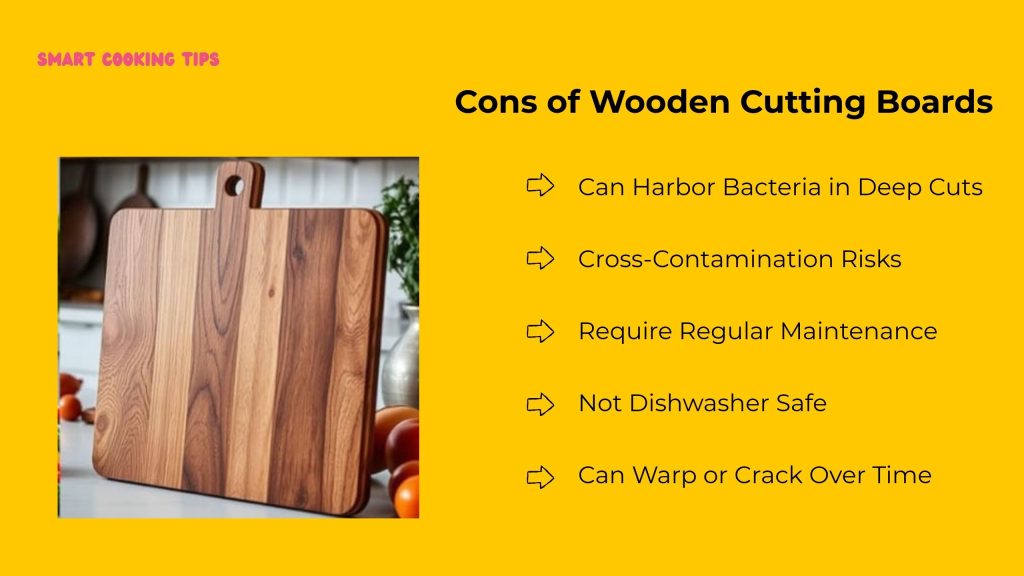
While many ask, Are wooden cutting boards safe, it’s also important to consider their downsides. Here are a few potential drawbacks to keep in mind:
Can Harbor Bacteria in Deep Cuts
Over time, knife grooves can trap food and bacteria. Without regular care, wooden boards may become unsafe for raw meat prep.
Cross-Contamination Risks
Using the same board for meat and vegetables increases the chance of cross-contamination. This is a major food safety concern.
Require Regular Maintenance
Wooden boards need to be oiled monthly to prevent drying and cracking. Neglect can shorten their lifespan and affect hygiene.
Not Dishwasher Safe
High heat and moisture warp and crack wood. Wooden boards must be hand-washed, which takes more time and care.
Can Warp or Crack Over Time
Even with maintenance, wood can eventually split or warp—especially in humid climates or when not dried properly.
Are Wooden Cutting Boards Safe?
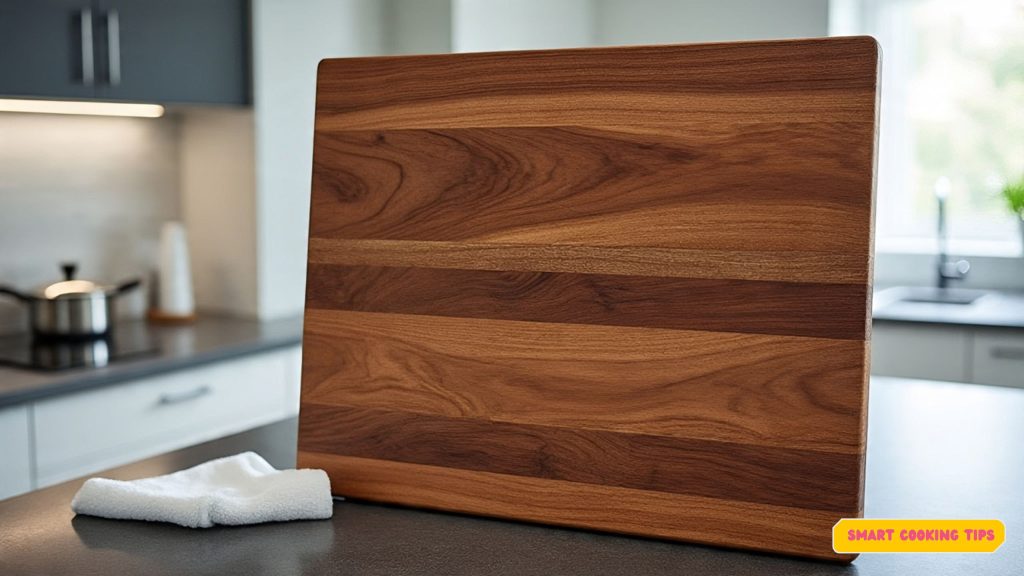
You’ve probably asked yourself, Are wooden cutting boards safe for preparing everything from raw meat to fresh fruit? The answer is yes—if you take care of them. Wooden boards can resist bacteria well, but only when they’re cleaned, dried, and stored properly to avoid moisture buildup and contamination.
The safety of a wooden cutting board depends largely on its condition. Deep grooves, cracks, or warping create hiding spots for bacteria. Once a board reaches this state, it’s best to replace it. Regular oiling and sanitizing help extend the life of the board and keep it food-safe for longer.
Still, despite their charm, many home cooks are switching to newer alternatives. These modern options offer easier maintenance and better hygiene. So while the answer to Are wooden cutting boards safe is yes, many find that materials like stainless steel or titanium better suit today’s fast-paced, health-conscious kitchens.
How To Keep Wooden Cutting Boards Food Safe
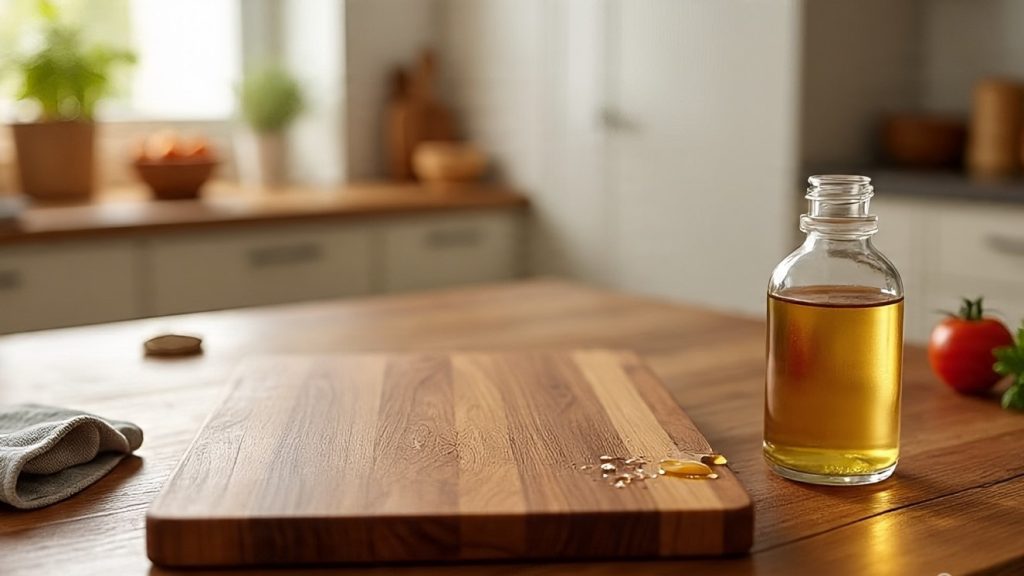
If you’ve ever asked, Are wooden cutting boards safe, the answer depends on how you care for them. These tips will help you maintain hygiene and extend your board’s life:
- Use separate boards for raw meats and fresh produce to avoid cross-contamination.
- Clean immediately after use with warm water and mild soap to remove bacteria.
- Dry thoroughly with a clean towel, then stand it up to air dry completely.
- Never soak wooden boards in water or place them in the dishwasher.
- Avoid harsh cleaners, especially bleach, which can damage the wood.
- Oil monthly with food-grade mineral oil to prevent cracking and moisture buildup.
By following these steps, you’ll keep your wooden board in top condition. Safe use and proper care ensure it remains a beautiful, functional part of your kitchen for years to come.
How Often Should Wooden Boards Be Replaced?

Wondering, are wooden cutting boards safe long-term? Only if they’re in good condition. Even the best boards have a shelf life. You should replace your wooden cutting board when:
- Deep grooves appear and begin trapping food particles or bacteria.
- Cracks or warping develop, making the surface uneven and unsafe.
- Persistent odors linger, even after cleaning and airing out.
- Mold growth forms that scrubbing can’t remove completely.
- Splinters or rough patches start to appear, risking injury or food contamination.
In general, are wooden cutting boards safe forever? Not quite. Even with regular oiling and care, wood naturally wears down over time. If you use your board daily, expect to replace it every 1 to 3 years, depending on usage and maintenance. Keeping an eye on the board’s condition ensures you’re preparing food on a safe, hygienic surface. Don’t hesitate to swap it out when signs of wear become too much.
How To Clean Wooden Cutting Boards
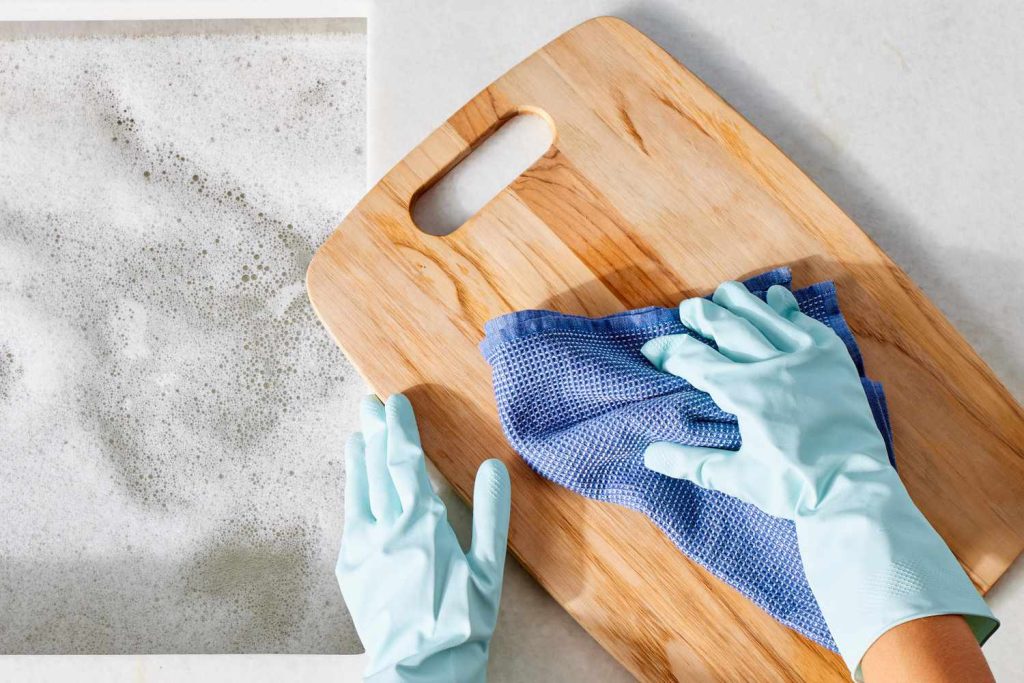
Keeping your wooden cutting board clean is essential to food safety and longevity. If you’ve ever asked, “How do I clean a wooden cutting board?” or “Are wooden cutting boards safe?”—the answer depends on regular cleaning, drying, and oiling. Follow these simple steps to clean a cutting board and protect your health.
Step-by-Step Cleaning
- Rinse immediately after use
- Scrub with dish soap and warm water
- Dry completely with a towel
- Disinfect with vinegar or a hydrogen peroxide spray
- Oil monthly to seal the surface
Deep Clean Option
Sprinkle coarse salt and scrub with a lemon half. This removes odors and surface stains naturally—no chemicals needed.
What Not to Do
Never put wooden boards in the dishwasher or soak them. Excess moisture causes swelling, cracking, and eventually mold.
Smarter Alternative: ChopChop USA Double-Sided Titanium Cutting Board

Still wondering, are wooden cutting boards safe? There’s now a smarter, cleaner, safer option. Meet the ChopChop USA Double-Sided Titanium Cutting Board—a modern upgrade for every kitchen.
Double-Sided Design
Use the titanium side for meats, poultry, and fish. Flip to the wheat fiber side for fruits, bread, or veggies. One board, two safe surfaces.
Titanium Toughness
Unlike wood, titanium doesn’t crack, warp, or splinter. It’s resistant to scratches, high heat, and daily wear—built to last over 10 years.
Hygienic & Antibacterial
Titanium is non-porous, which means no hidden bacteria. It rinses clean, doesn’t absorb odors, and is naturally food-safe.
Eco-Friendly & Safe
Made from food-grade titanium and biodegradable wheat fiber. It contains no BPA, phthalates, or microplastics, unlike some plastic boards.
Knife-Friendly & Easy to Clean
Gentle on your blades yet tough on germs. The surface is stain-resistant and dishwasher safe—perfect for busy kitchens.
Cost-Effective
No more replacing warped or moldy wooden boards every few years. This board is designed to be your lifelong prep partner.
See more: ChopChop USA Double-Sided Titanium Cutting Board Review
Why You’ll Love The Double-Sided Titanium Cutting Board
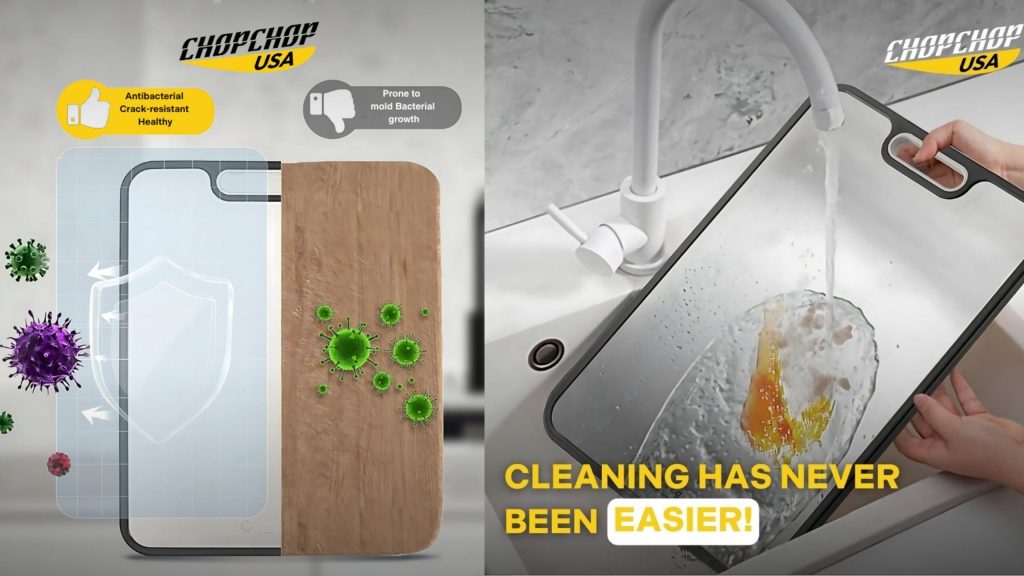
If you’re still asking, Are wooden cutting boards safe, it may be time to upgrade. ChopChop USA offers premium, double-sided titanium cutting boards designed for safety, durability, and modern kitchens:
- Safer for raw meat prep
- Easier to clean and sanitize
- Durable enough for everyday use
- Eco-conscious and toxin-free
- Stylish enough to leave on the counter
No more food safety stress or endless maintenance—just clean cooking.
Conclusion
So, are wooden cutting boards safe? Yes—when cared for properly. Regular cleaning, thorough drying, and monthly oiling help keep them in good shape. Still, even the best wood boards eventually crack, warp, or wear out. Replacing them every few years is key to maintaining food safety in your kitchen.
For a modern upgrade, consider a titanium cutting board like ChopChop. They’re ultra-durable, dishwasher-safe, and non-porous—resisting bacteria and stains without the need for oiling. If you want a long-lasting, low-maintenance option that blends performance and hygiene, ChopChop™ is a smarter, safer solution for today’s busy cooks and health-conscious kitchens.
FAQs
Are wooden cutting boards safe to use?
Yes, but only if they’re cleaned thoroughly, oiled regularly, and replaced when worn out. Cracks and grooves can harbor bacteria.
Do wooden cutting boards get moldy?
Yes, if not dried properly. Excess moisture and food particles can lead to mold growth—especially in deep grooves.
Are all wooden cutting boards non-toxic?
Most are, but it depends on the finish. Choose boards with food-safe oils and avoid those treated with harsh chemicals or sealants.
Are titanium cutting boards safe?
Absolutely. They’re made from food-grade, non-porous material that resists bacteria and doesn’t absorb liquids or odors.
Are titanium cutting boards dishwasher safe?
Yes! Unlike wooden boards, titanium boards can go in the dishwasher without warping, cracking, or losing their finish.