

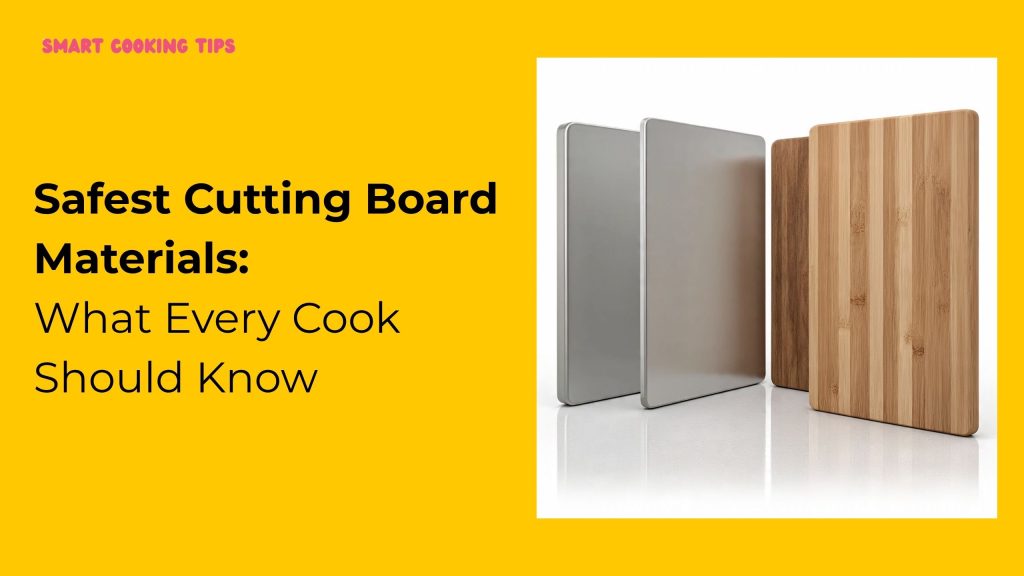
When prepping food, most people focus on fresh ingredients and sharp knives—but what about your cutting board? The surface you chop on directly affects your health, your tools, and even the taste of your meals. It’s often overlooked, but the wrong material can harbor bacteria, dull your knives, or leach unwanted chemicals.
That’s why understanding the safest cutting board materials is so important. From reducing the risk of foodborne illness to preserving your cookware, choosing the right board can elevate your entire cooking experience. Let’s explore what makes a cutting board truly safe—and which materials lead the way.
Why Cutting Board Material Matters
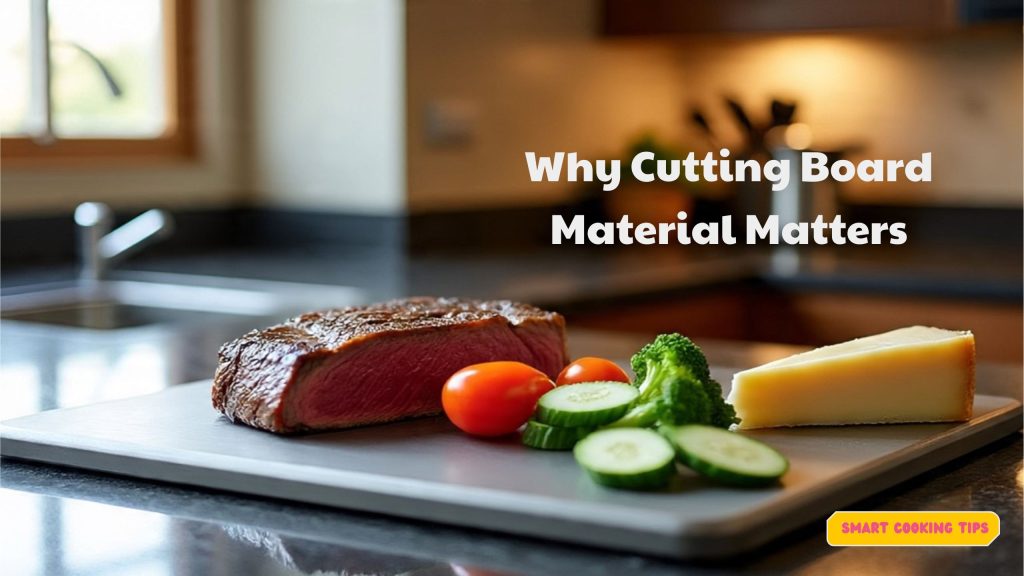
Cutting boards are where every meal begins. They touch fruits, veggies, raw meats, and more. If your board is made from the wrong material, it can trap bacteria deep in grooves and transfer them to your food. That’s why the surface you use matters more than just how it looks.
Materials like plastic or untreated wood can leach chemicals or absorb moisture, creating the perfect environment for mold and bacteria. Over time, repeated use worsens the problem. Using one of the safest cutting board materials ensures you’re not unknowingly adding risk to your daily meal prep.
Beyond hygiene, the wrong board can quickly dull your knives or even chip them. The safest cutting board materials offer a balance—protecting your blades while resisting damage themselves. A smart choice in cutting board material helps make food prep cleaner, safer, and more enjoyable in the long run.
You may love it: 2025’s Best Non-Toxic Cookware for a Healthier Kitchen
What to Look for in the Safest Cutting Board Materials
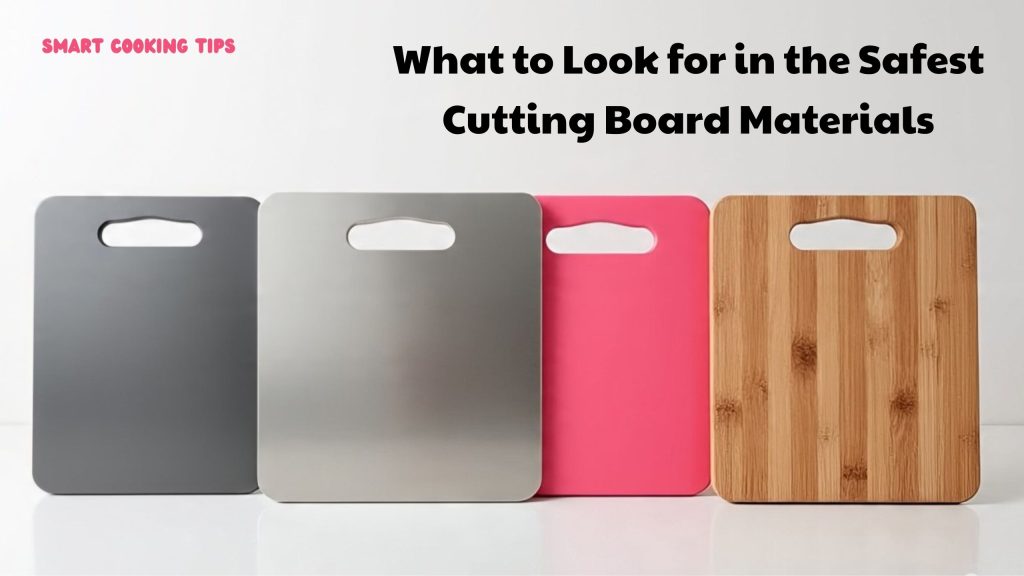
Not all boards offer the same level of safety and performance. To make a smart choice, look for features that support hygiene, durability, and kitchen efficiency. The safest cutting board materials check all these boxes:
- Non-toxic: Avoid boards with added dyes, glues, or chemical coatings.
- Non-porous surface: Prevents moisture and bacteria from seeping in.
- Antibacterial properties: Some materials naturally resist germs without added chemicals.
- Dishwasher-safe: High heat cleaning kills bacteria and makes maintenance easier.
- Stain and odor resistant: Keeps your board fresh, especially when cutting strong-smelling foods.
- Knife-friendly: Won’t dull or chip your knives over time.
- Durable and long-lasting: Reduces waste and replacement costs.
When you prioritize these features, you’re far more likely to choose from the safest cutting board materials available today.
Safest Cutting Board Materials Compared
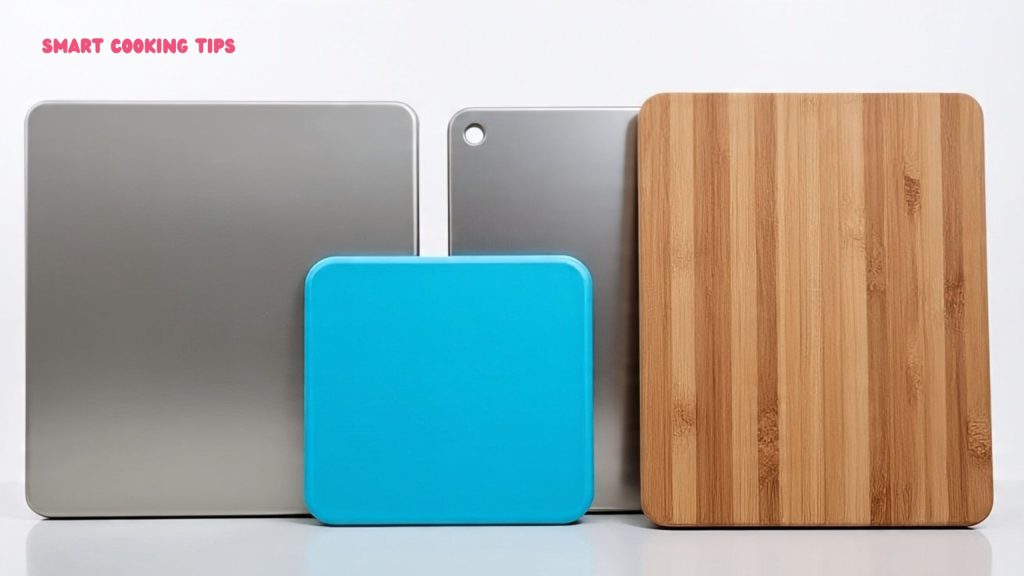
Let’s break down the most popular materials and see how they stack up in terms of hygiene, durability, and knife safety.
Titanium Cutting Boards
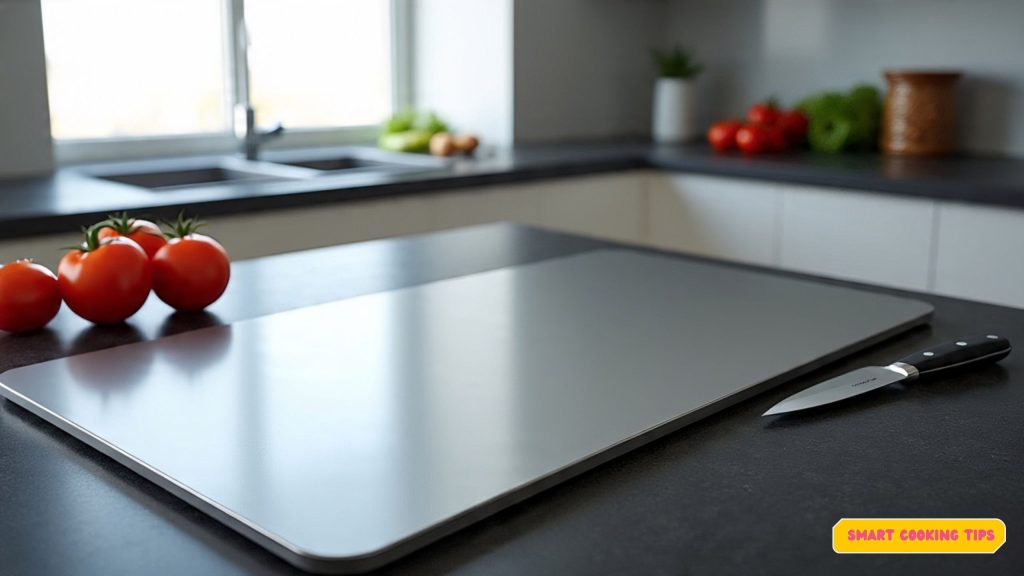
Titanium cutting board is quickly becoming a favorite in modern kitchens—and for good reason. This ultra-durable material is virtually indestructible; it won’t crack, warp, or splinter over time. Unlike wood or plastic, titanium doesn’t absorb odors, juices, or stains from food, making it an excellent choice for both raw meats and produce. Its naturally non-porous surface resists bacterial growth without the need for harsh chemicals or antimicrobial coatings.
Despite its strength, a well-designed titanium cutting board is still gentle on knives, helping maintain sharp blades longer. With minimal upkeep and maximum hygiene, titanium truly sets a new standard in food prep safety.
Stainless Steel Cutting Boards
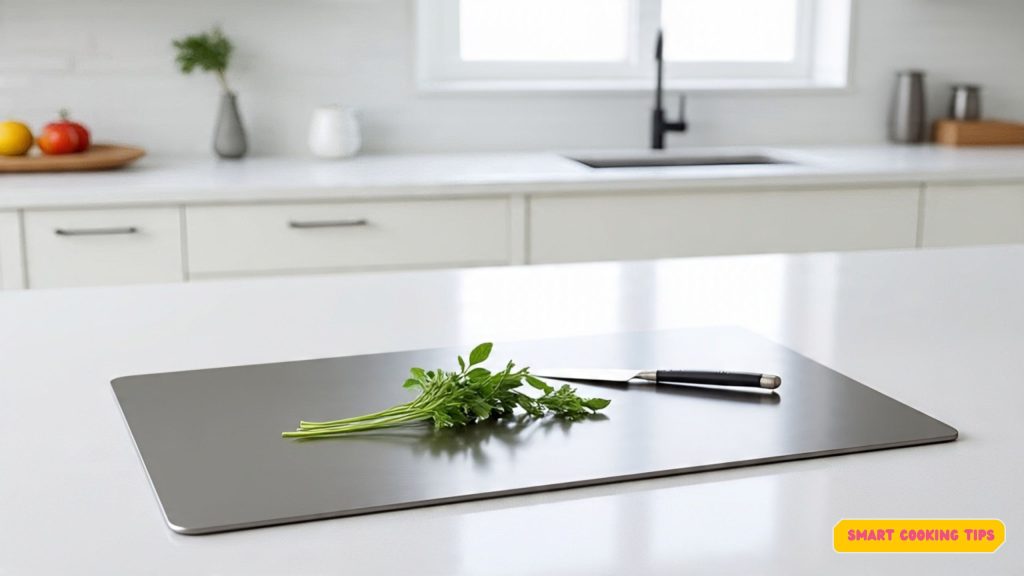
Stainless steel cutting boards are a high-performance option trusted by professional kitchens and home cooks alike. Their non-porous surface won’t absorb liquids, odors, or bacteria, making them exceptionally hygienic. They’re also resistant to stains, rust, and corrosion—even when slicing acidic foods like tomatoes or citrus.
While stainless steel is harder than titanium, premium designs balance durability with knife-friendliness, reducing blade dulling. These boards are easy to sanitize with hot water or disinfectants and require no special maintenance like oiling or seasoning. With sleek looks and unbeatable cleanliness, stainless steel remains one of the safest cutting board materials available.
Wood Cutting Boards
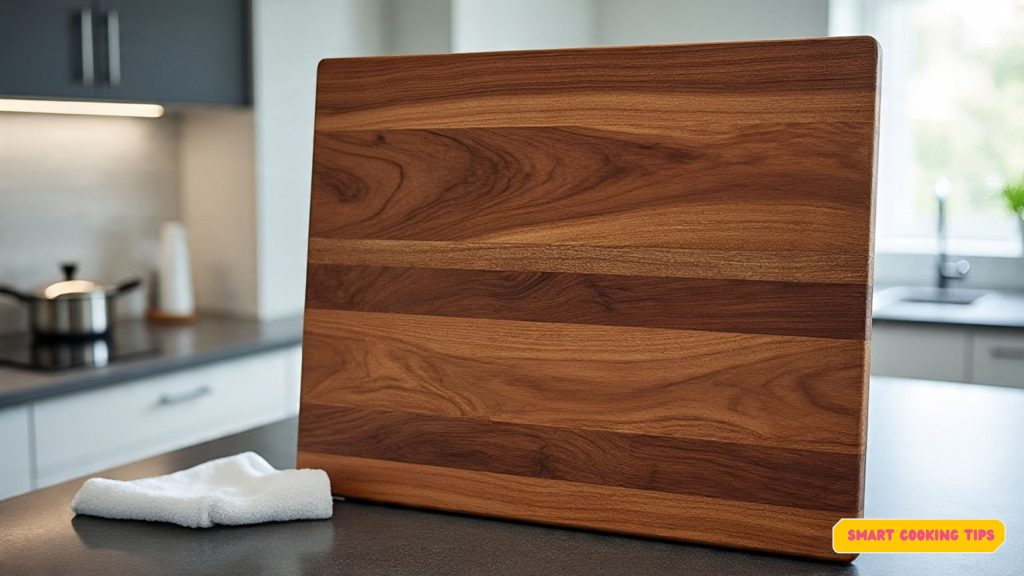
Wooden cutting boards offer a beautiful, classic look and are gentle on knives. However, they’re porous and can trap moisture and bacteria in cuts and grooves. They require regular oiling and care to stay safe. They’re not ideal for raw meats, but they work well for breads, fruits, and vegetables.
Wood can be a safe choice with diligent care—but it doesn’t make the list of safest cutting board materials for high-volume or raw meat prep.
The main downside of wood cutting boards is that they absorb moisture, can harbor bacteria in deep grooves, and demand consistent maintenance, like oiling, to remain safe and sanitary.
Plastic Cutting Boards
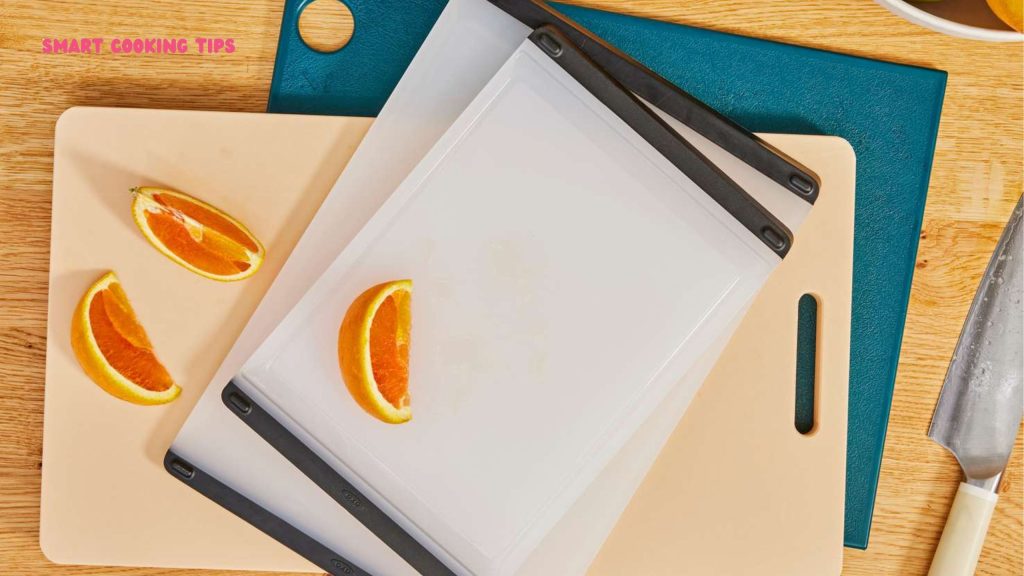
Plastic cutting boards are affordable and dishwasher-safe, making them a popular household pick. But they scratch easily, and those grooves can harbor bacteria. Over time, they warp, discolor, and may release microplastics into your food.
Plastic might be convenient, but it ranks low on the safest cutting board materials list—especially if not replaced frequently.
Bamboo Cutting Boards
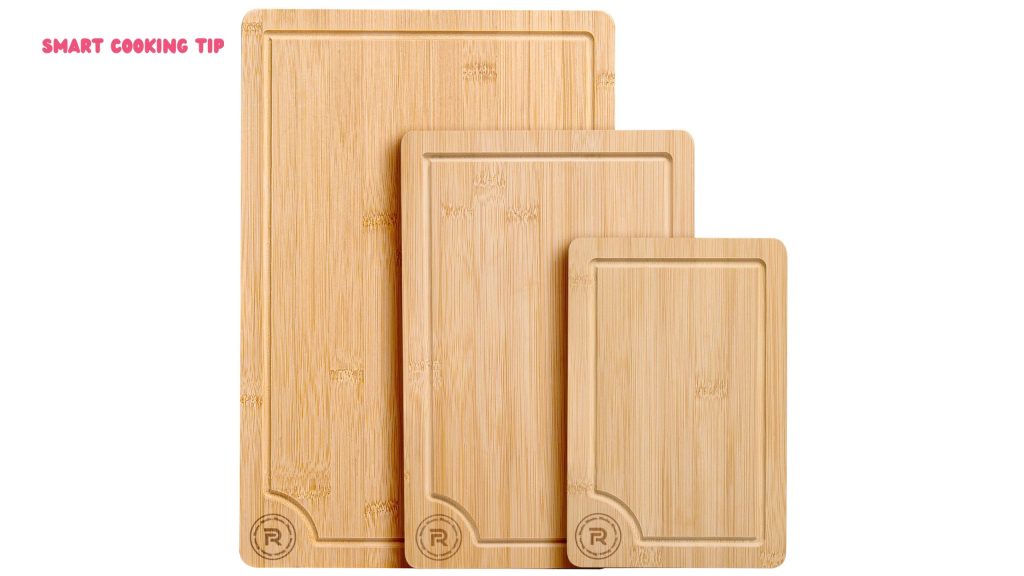
A bamboo cutting board is sustainable and looks great. It’s harder than most woods, which can dull knives more quickly. Like wood, it absorbs moisture and may crack without proper care. It’s better than plastic but not ideal for raw proteins.
Still, bamboo falls short of the safest cutting board materials due to its density and care needs.
Glass Cutting Boards
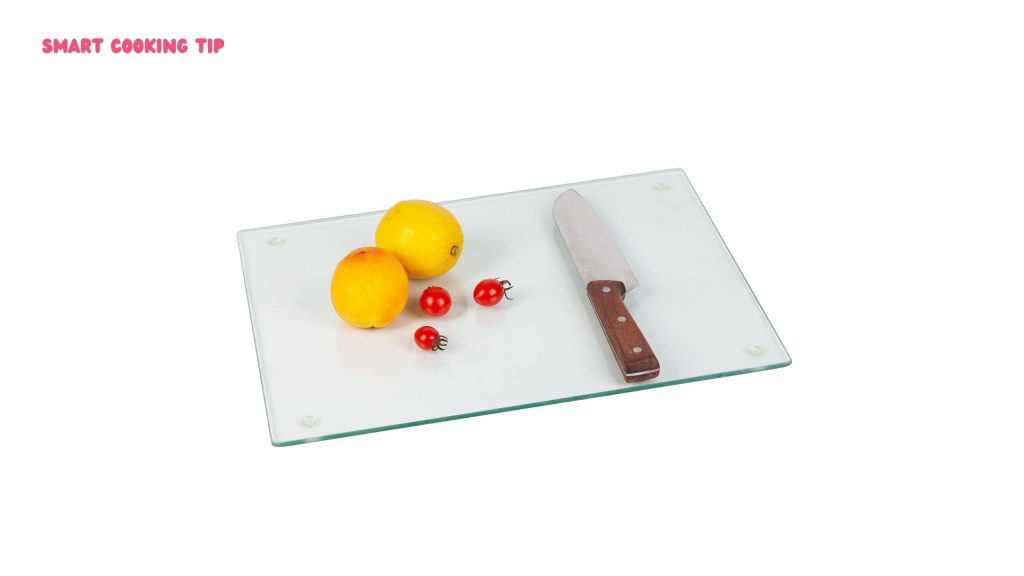
A glass cutting board is non-porous and doesn’t absorb anything. It’s easy to sanitize, but it’s tough on knives, slippery, and prone to breaking. It offers hygiene but lacks practicality.
While clean, glass is not one of the safest cutting board materials for daily use.
The main downside of glass cutting boards is that they can quickly dull knives, are dangerously slippery when wet, and may shatter if dropped—making them impractical for everyday kitchen use.
Upgrade Your Kitchen With ChopChop USA
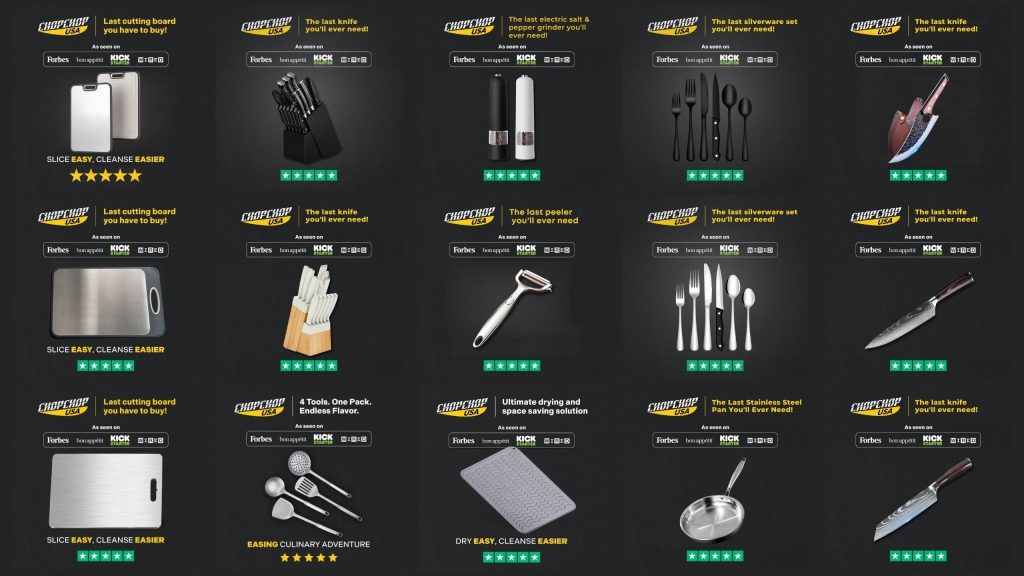
Ready to level up your food prep game? ChopChop USA offers cutting boards made from two of the safest cutting board materials—titanium and stainless steel—combining performance, hygiene, and lasting value.
Titanium Cutting Board

If you’re looking for the ultimate in safety and durability, the ChopChop™ USA Titanium Cutting Board delivers:
- Ultra-Durable: No warping, cracking, or splitting—ever. Built to withstand daily use for years without losing performance.
- Antibacterial Surface: Naturally resists bacteria and mold growth without the need for added chemicals.
- Gentle on Knives: Titanium is soft enough to preserve blade sharpness, reducing the need for frequent sharpening.
- Easy to Clean: Simply rinse or wipe clean. It’s also 100% dishwasher-safe for added convenience.
- No Toxins or Microplastics: Completely non-toxic and food-safe—no glues, coatings, or synthetic materials.
- Cost-Effective: Say goodbye to replacements. This board offers premium performance that lasts a lifetime.
This board takes the top spot among the safest cutting board materials for health-focused home cooks who want peace of mind with every slice.
See more: ChopChop USA Titanium Cutting Board Review: Is It Worth It?
Stainless Steel Cutting Board

The ChopChop™ USA Stainless Steel Cutting Board is a stylish, no-fuss option that keeps your kitchen clean and your prep effortless:
- Hygienic Design: Naturally antibacterial and resistant to mold, making it a reliable choice for everyday use.
- Odorless: Doesn’t absorb strong smells like garlic, onions, or fish—keeps your board fresh with every meal.
- Knife-Friendly: Designed to resist deep cuts while staying gentle enough to protect your blade’s edge.
- Built to Last: Made with the same high-grade steel trusted in medical implants—extremely durable and safe.
- Stain Resistant: Won’t hold onto stains, even from tomatoes, beets, or turmeric—always looks clean and professional.
- Lightweight Yet Tough: Easy to carry and maneuver, yet durable enough to handle heavy-duty chopping.
If you value cleanliness, this board is a smart upgrade—combining sleek style with one of the safest cutting board materials available.
See more: ChopChop USA Stainless Steel Cutting Board Review (2025)
Tips to Keep Any Cutting Board Safe
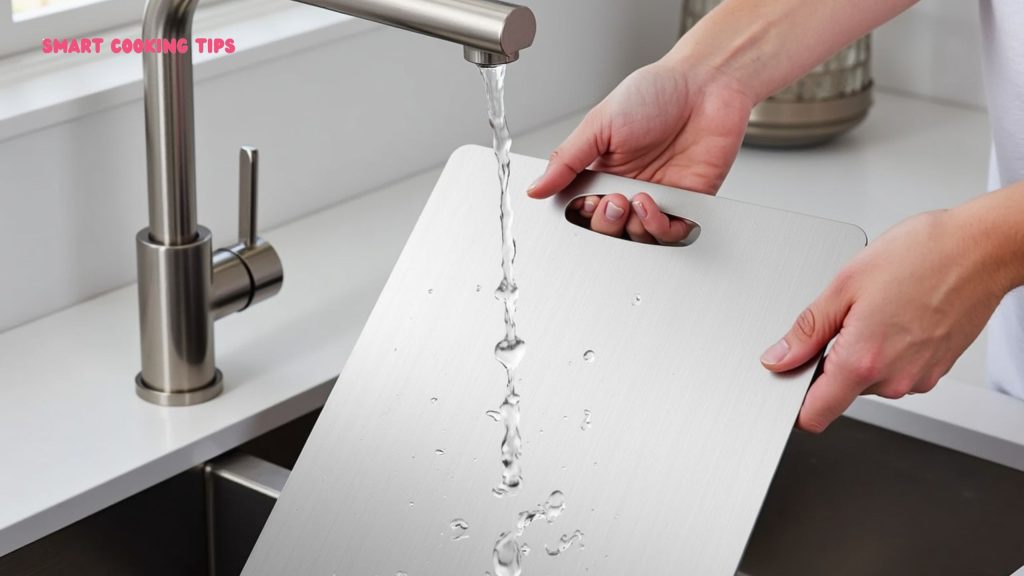
Even with the best material, proper care makes all the difference. Follow these simple habits to keep your cutting board clean, functional, and food-safe:
- Wash Thoroughly After Each Use: Hot water and mild soap help remove food residue and bacteria right away.
- Disinfect with Vinegar or Lemon Weekly: Natural acids kill germs and eliminate lingering odors without harsh chemicals.
- Use Separate Boards for Meat, Veggies, and Bread: Avoid cross-contamination by dedicating boards to specific food types.
- Let Boards Air Dry Completely: Moisture invites mold and bacteria. Stand your board upright to dry faster and more evenly.
- Replace Plastic and Wood Boards at the First Sign of Wear: Deep cuts and stains can trap bacteria—time to upgrade.
Caring for your board properly ensures it stays within the safest cutting board materials category, delivering clean and confident food prep every time.
Conclusion
Your cutting board isn’t just a kitchen tool—it’s a food safety barrier. By choosing titanium or stainless steel, you get peace of mind, hygiene, and long-term performance.
The ChopChop™ USA Titanium and Stainless Steel Cutting Boards combine all the features you need: antibacterial, non-toxic, dishwasher-safe, and knife-friendly. These truly represent the safest cutting board materials available today.
FAQs
What cutting board material is most hygienic?
Titanium and stainless steel are the most hygienic. They’re non-porous, antibacterial, and easy to sanitize—ideal for keeping your kitchen safe and clean.
Are wooden cutting boards safe?
Wooden boards are safe with care. They’re knife-friendly but absorb moisture, so regular oiling and drying are essential to prevent bacterial buildup.
Which cutting board is the least toxic?
Titanium is the least toxic—100% food-safe with no chemicals or microplastics. Stainless steel is also a clean, non-toxic choice for health-conscious cooking.
What is the safest hygienic chopping board?
Titanium and stainless steel are safest. Their non-porous, easy-to-clean surfaces resist bacteria, making them perfect for hygienic food prep.
Are Titanium Cutting Boards Dishwasher Safe?
Yes, titanium cutting boards are dishwasher safe. They withstand heat, water, and detergent, offering easy, reliable cleaning every time.