

Wooden cutting boards are a staple in many kitchens, especially for home chefs and busy families who value both function and style. But one question pops up over and over again: how do I clean a wooden cutting board so it stays safe, bacteria-free, and long-lasting?
It’s a question worth asking—how do I clean a wooden cutting board without damaging it or risking my family’s health? Whether you’re chopping veggies or slicing meat, your cutting board takes a beating. If it’s not cleaned properly, it can quickly become a breeding ground for germs, stains, and bad odors.
This blog will walk you through the best methods for cleaning your board, how often to do it, what to avoid, and why stainless steel alternatives like the ChopChop USA Double-Sided Stainless Steel Cutting Board may be a smarter investment in the long run.
Contents
What Is a Wooden Cutting Board?
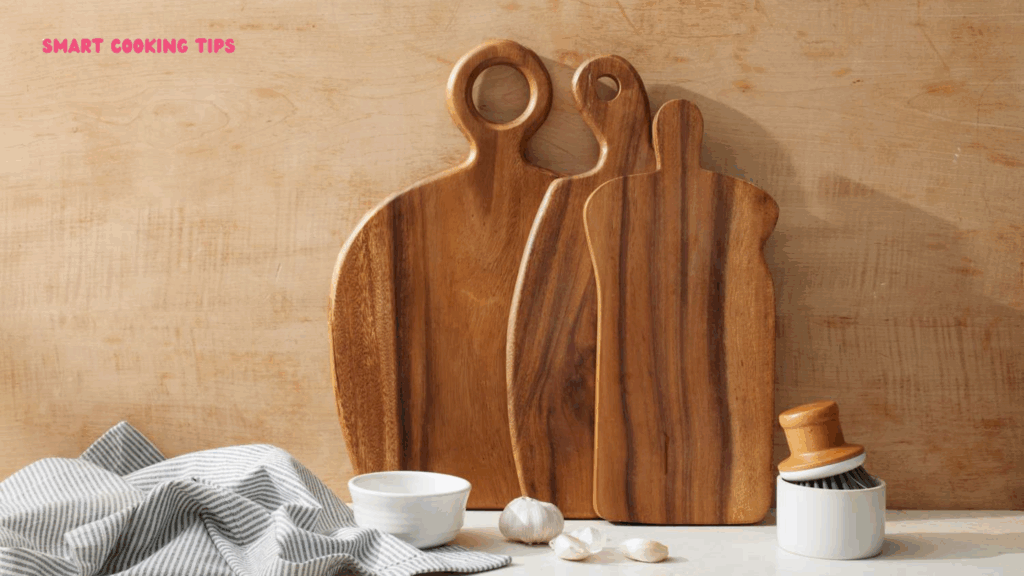
A wooden cutting board is a classic kitchen essential made from natural hardwoods like maple, walnut, beech, or acacia. These boards are popular among home cooks and chefs alike because they’re gentle on knife edges, provide a sturdy surface for chopping, and add a warm, rustic feel to any kitchen. Wood is naturally self-healing, meaning minor knife marks often close up on their own, helping the board last longer with proper care.
Wooden boards are especially ideal for dry foods like bread, fruits, and vegetables. Some chefs also prefer them for meat prep due to wood’s mild antimicrobial properties, though that requires strict cleaning routines. Because wood is porous, it can absorb moisture and bacteria if not cleaned and maintained properly.
If you’ve ever found yourself asking, How do I clean a wooden cutting board, it’s important to understand how its material behaves—and what that means for your safety and kitchen hygiene.
Pros and Cons of Wooden Cutting Boards
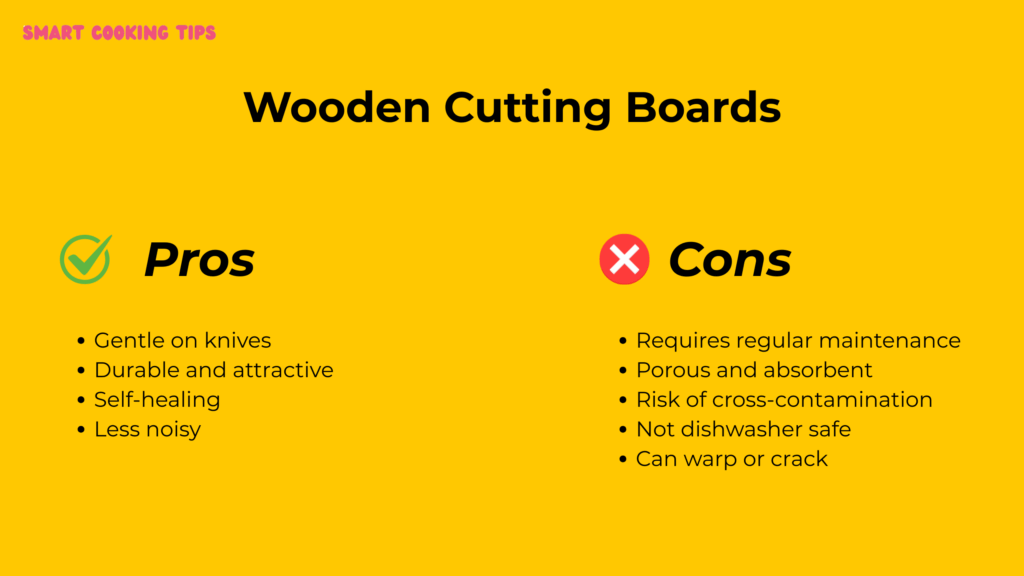
Before committing to a wooden cutting board, it helps to weigh the benefits and drawbacks, especially if you frequently ask, How do I clean a wooden cutting board without ruining it.
Pros of Wooden Cutting Boards:
- Gentle on knives – Wood won’t dull your blades quickly.
- Durable and attractive – With proper care, they last for years and look beautiful.
- Self-healing – Minor knife marks often close on their own.
- Less noisy – Softer cutting surface reduces chopping noise.
Cons of Wooden Cutting Boards:
- Requires regular maintenance – Needs oiling and deep cleaning.
- Porous and absorbent – Can harbor bacteria, stains, and odors.
- Risk of cross-contamination – Especially if used for both raw meats and produce without proper cleaning.
- Not dishwasher safe – Must be hand-washed and dried immediately.
- Can warp or crack – If exposed to excess moisture or heat.
Understanding these pros and cons will help you decide whether to keep using wood or consider a more modern, low-maintenance alternative like a stainless steel cutting board or a titanium cutting board.
Why Cleaning Your Wooden Cutting Board Matters
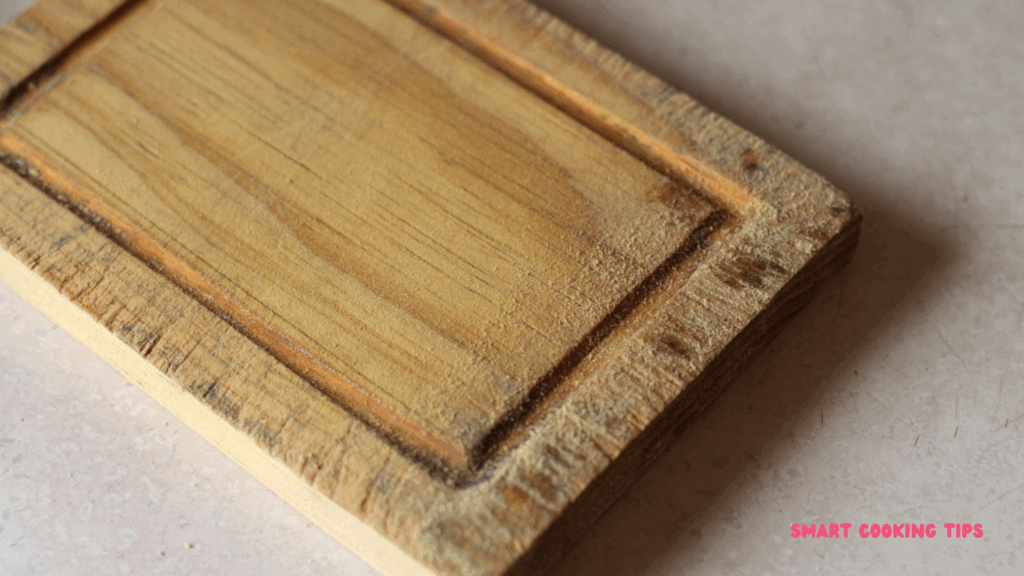
If you’ve ever asked yourself, How do I clean a wooden cutting board, it’s likely because you noticed discoloration, a lingering smell, or deep knife grooves. These signs aren’t just cosmetic—they can signal trapped food particles and bacteria, which pose serious health risks.
Wood is naturally porous, which means it absorbs moisture and organic matter. Over time, this can lead to:
- Mold growth on the cutting board
- Staining
- Warping
- Cross-contamination
- Unpleasant odors
So cleaning isn’t just about appearances—it’s about food safety, longevity, and peace of mind.
Step-by-Step: How Do I Clean a Wooden Cutting Board?
Let’s answer the big question in detail: how do I clean a wooden cutting board properly, without damaging the wood?
Daily Cleaning (After Each Use)
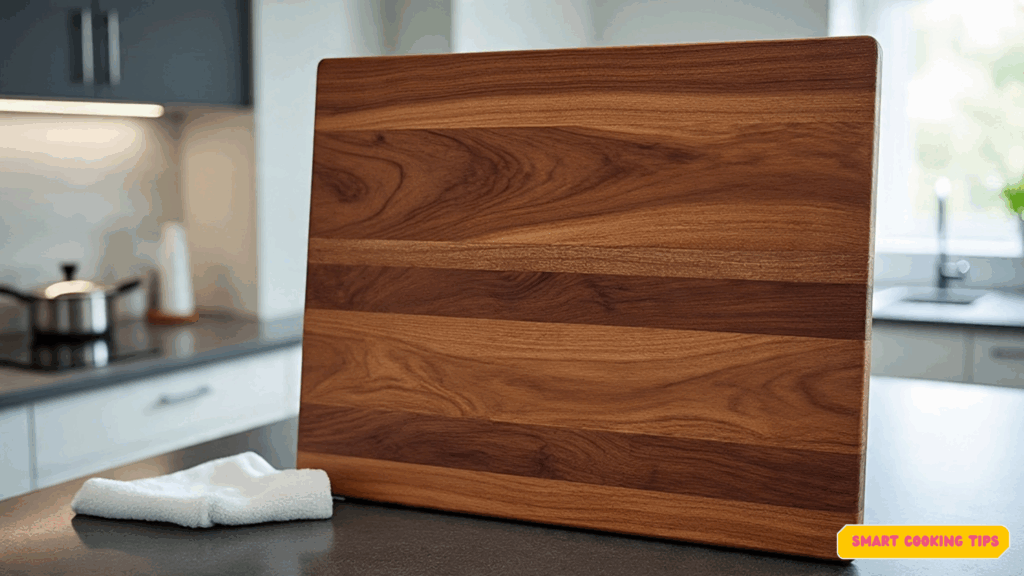
Wondering how to clean a cutting board quickly and effectively after every meal? For daily maintenance, here’s what to do:
- Rinse immediately after use to prevent food from drying and sticking.
- Scrub the board gently with a sponge, warm water, and mild dish soap.
- Rinse thoroughly and dry immediately with a clean towel.
- Stand it upright to air dry completely—never let it sit in water.
Deeper Weekly Cleaning
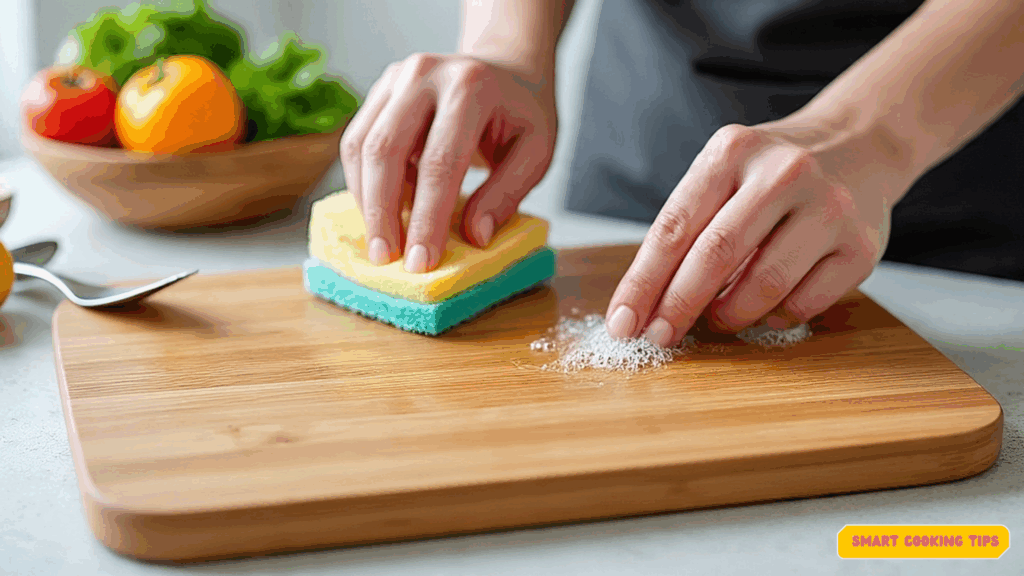
Every few days, especially if you’ve used it for raw meat, go deeper:
- Sprinkle coarse salt or baking soda over the board.
- Scrub with half a lemon, using its natural acidity to kill bacteria.
- Let it sit for 5–10 minutes, then rinse and dry as usual.
Monthly Conditioning
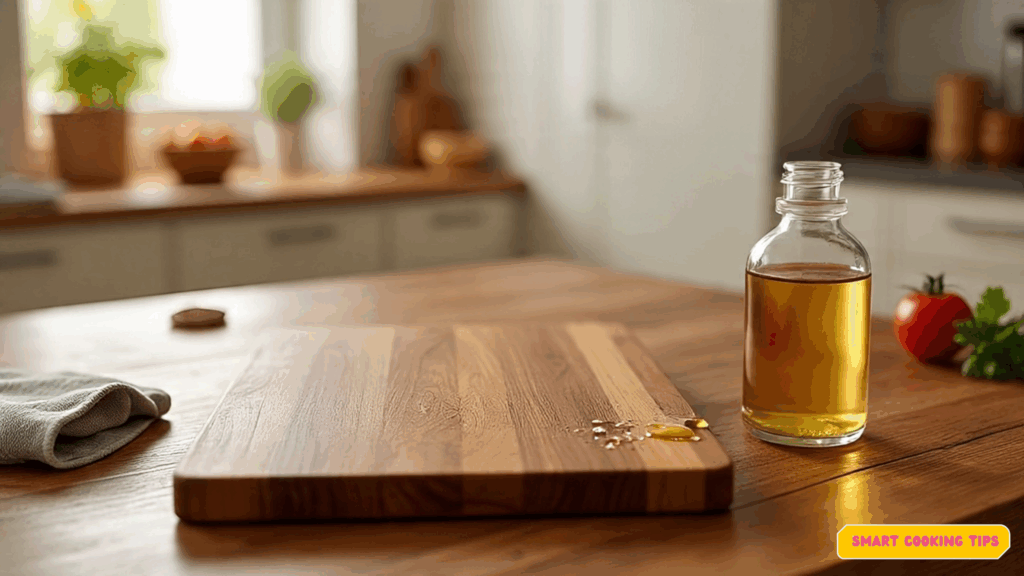
To keep wood from drying or cracking:
- Apply a food-grade mineral oil or board conditioner.
- Rub in with a cloth, let it absorb for a few hours or overnight.
- Wipe off any excess oil before storing.
Wondering again, how do I clean a wooden cutting board without ruining it? Skip bleach, harsh detergents, or putting it in the dishwasher. These can cause wood to swell, warp, or crack.
Mistakes to Avoid When Cleaning a Wooden Cutting Board
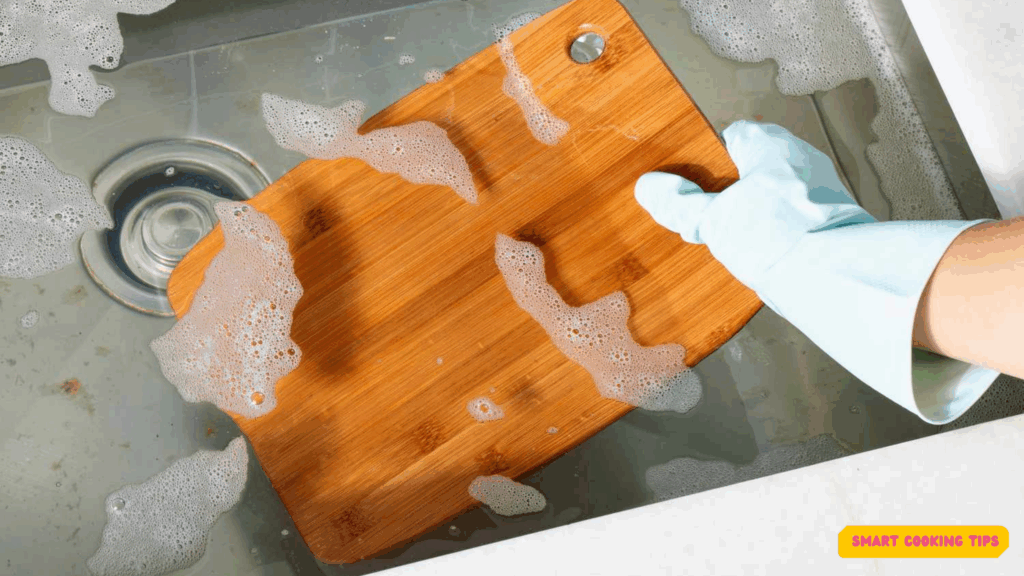
If you’re asking, how do I clean a wooden cutting board? Also consider what not to do:
- Never soak it: Prolonged exposure to water can cause warping or mold.
- Don’t use the dishwasher: The high heat and moisture will destroy the wood.
- Avoid vegetable oils for conditioning—they go rancid over time.
- Don’t ignore knife grooves: Clean thoroughly to prevent bacteria buildup.
Signs You Need a New Cutting Board
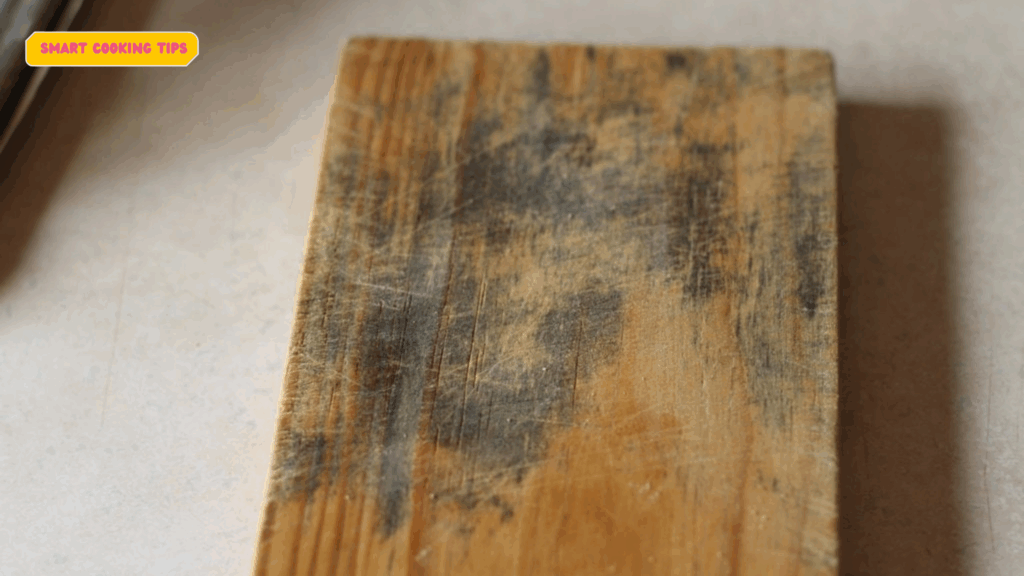
Even with perfect care, wooden cutting boards don’t last forever. If you notice:
- Deep, uncleanable grooves
- Persistent odors
- Splintering edges
- Mold despite cleaning
…it might be time for a replacement.
But if you’re tired of asking yourself how do I clean a wooden cutting board every week, there’s a modern alternative worth considering.
A Smarter Alternative: ChopChop USA Double-Sided Stainless Steel Cutting Board
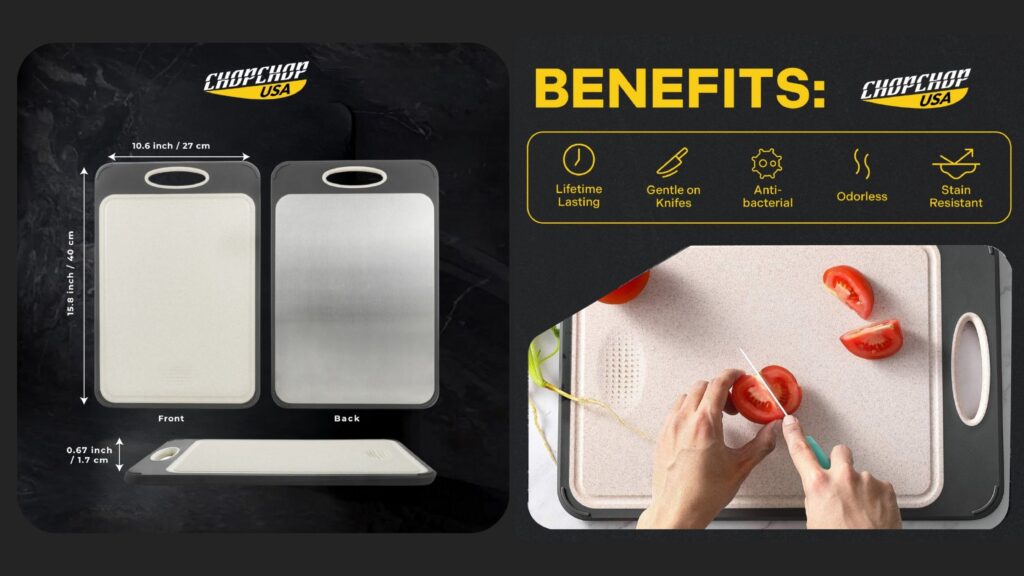
Introducing the ChopChop USA Double-Sided Stainless Steel Cutting Board—a game changer for home cooks who want durability and easy cleaning.
Why switch? Because no one wants to stress over how do I clean a wooden cutting board every time dinner ends. ChopChop USA offers a hassle-free solution:
Two Sides, Two Functions
- Stainless Steel Side: Antibacterial, odorless, and easy to clean.
- Rice Husk Fiber Side: Gentle on knives, BPA-free, and eco-safe.
Built for Busy Kitchens
- Lightweight yet durable
- Dishwasher safe
- Heat-resistant
- No microplastics
- No warping, no cracking
Whether you’re prepping raw meat or chopping vegetables, this board lets you switch sides for clean, efficient cooking.
Real Customer Feedback
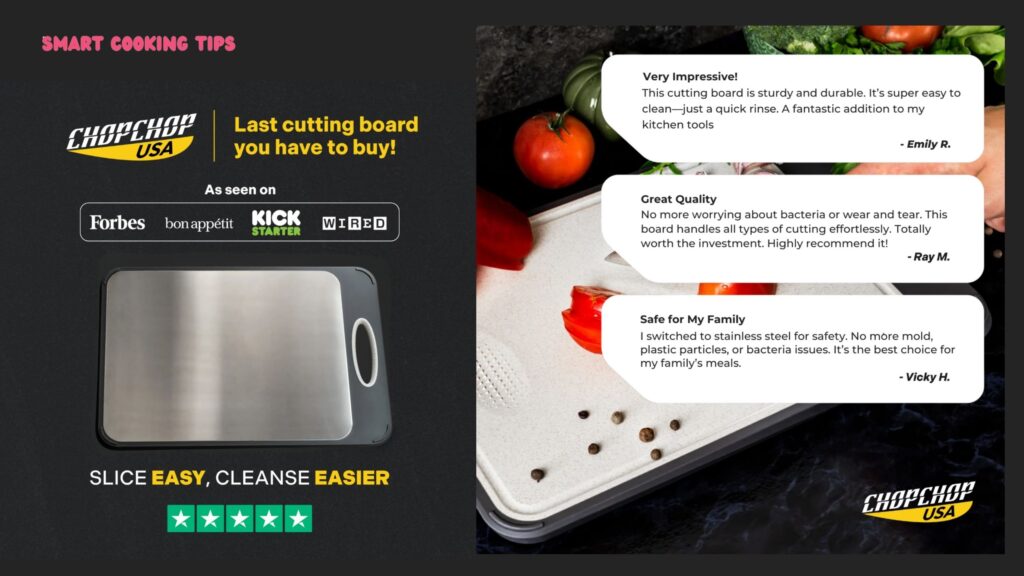
Still thinking about how do I clean a wooden cutting board? See what real users say about ChopChop USA:
“I use the stainless side for meat and the fiber side for veggies. Still looks brand new after months!” – Amanda M.
“No more mold, plastic particles, or bacteria. I feel confident prepping meals every day.” – Vicky H.
“It’s sturdy but lightweight, and it goes right in the dishwasher. Total game changer.” – Sarah L.
See more: ChopChop USA Double‑Sided Stainless Steel Cutting Board Review
How It Compares: Wooden vs. Stainless Cutting Boards
| Feature | Wooden Board | ChopChop USA Board |
| Bacteria Resistance | Porous, traps bacteria | Stainless surface blocks bacteria |
| Dishwasher Safe | No | Yes |
| Knife Friendly | Yes | Yes (Fiber side) |
| Odor Resistance | Often smells | Odorless |
| Lifespan | 1–3 years | 5–10+ years |
You can stop asking how do I clean a wooden cutting board so often—this upgrade removes the guesswork.
Why Choose ChopChop USA?
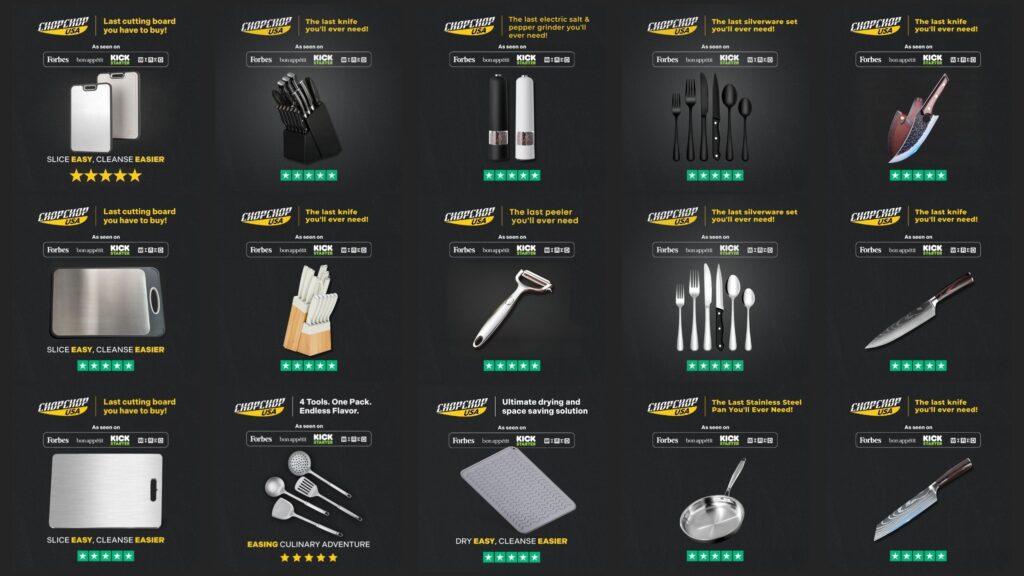
Smart home chefs trust ChopChop USA for quality, safety, and convenience. Whether you’re upgrading from wooden boards or looking for tools that simplify daily prep, ChopChop USA delivers performance you can count on—day after day.
- Premium, Eco-Safe Design – A long-lasting, sustainable alternative to wood and plastic boards.
- Fast & Free Shipping – Right to your door, no extra cost.
- Secure Payment – Worry-free checkout with encrypted payment processing.
- 24/7 Customer Support – Expert help whenever you need it.
- Large Range of Products – Kitchen essentials designed to make prep safer and easier.
Final Thoughts: Is It Time to Make the Switch?
Let’s be honest—how do I clean a wooden cutting board is a valid and important question. But it’s also one that highlights the limitations of traditional kitchen tools. Wooden boards require regular scrubbing, drying, oiling, and careful handling—especially if you’re trying to avoid cross-contamination.
While wood has its charm, it demands a lot of maintenance and comes with hidden risks. If you’re a home chef who values time, safety, and quality—especially in a busy household—it might be time to move on.
The ChopChop USA Double-Sided Stainless Steel Cutting Board is the answer to how do I clean a wooden cutting board—because you won’t have to.
FAQs
Can I use vinegar or bleach?
Vinegar is okay in moderation. Avoid bleach—it’s too harsh and damages wood fibers.
What about raw meat?
If you use your wooden board for raw meat, clean it immediately with hot water, soap, and lemon or salt scrubbing. Let it dry thoroughly.
Do I really need to oil it?
Yes. Conditioning prevents cracks and extends the board’s lifespan. Do it once a month or more often if the board looks dry.
Is a double-sided stainless steel cutting board safe?
Yes! The ChopChop USA Double-Sided Stainless Steel Cutting Board is made with food-safe materials. The stainless steel side resists bacteria and odors, while the rice husk fiber side is gentle on knives, making it safe and effective for all types of meal prep.
Is a double-sided stainless steel cutting board dishwasher safe?
Yes! The stainless steel side is completely dishwasher safe. While hand washing the rice husk fiber side is recommended to prolong its life, both sides are easy to clean and maintain with minimal effort.